

Flexible waistband pants genuinely improve daily comfort and mobility for most people, whether you’re heading to the gym, catching a flight, or running errands. The waistband is the single point of contact between your clothing and your body all day long, and when it gives instead of grips, everything else feels easier.
The top benefits at a glance:
- Freedom of movement: bend, squat, and sit without tugging or readjusting
- All-day pressure relief: no digging, no muffin-top, no red marks by evening
- Real versatility: one pair moves from a workout to a coffee run to a couch session
- Easier wear: pull-on construction works for everyone, from seniors to new parents
Ready to see which features matter most? The checklist below covers what to look for, and Kyndeoactivewear’s high-rise yoga pants are a solid starting point if you want to shop while you read.
Key Takeaways
Flexible waistbands improve daily comfort and mobility by reducing waist pressure, supporting full range of motion, and adapting to your body throughout the day.
| Point | Details |
|---|---|
| Pressure reduction matters | Research confirms that reducing local waist pressure measurably improves comfort and movement range. |
| Fabric content drives performance | Blends with at least 5–10% spandex deliver reliable stretch recovery and resist sagging after washing. |
| Construction details determine longevity | Wide bands with topstitching and anchored elastic hold shape; narrow, unstitched bands roll and sag faster. |
| Fit rule for pull-on styles | Elastic should measure roughly one inch less than your waist for pull-on comfort without slippage. |
| Kyndeoactivewear’s approach | High-rise yoga pants, joggers, and matching sets use four-way stretch and flexible waist designs for gym-to-street wear. |
Table of Contents
- What are the real benefits of flexible waistband pants?
- How does a flexible waistband actually work?
- What features should you look for when buying?
- Who gains the most from flexible-waist pants?
- How do you style flexible-waist pants so they look intentional?
- How do you wash and store elastic waistbands to keep them lasting?
- How tight should elastic waistband pants actually fit?
- What does research say about waistband comfort and movement?
- Why Kyndeoactivewear builds around flexible waistbands
- Kyndeoactivewear’s flexible-waist styles, built for your pace
- Sources
- FAQ
What are the real benefits of flexible waistband pants?
The core advantage is physical: a waistband that stretches with your body removes the constant low-level restriction that structured pants create. Research published in PMC confirms that garments designed to reduce local pressure on the waist measurably improve perceived comfort and freedom of movement.
Enhanced mobility. Four-way stretch waistbands let you squat, lunge, and sit cross-legged without the fabric pulling down at the back or cutting into your hips. For anyone in a movement-heavy job — healthcare, childcare, service work — that difference adds up over an eight-hour shift.
All-day comfort. Your waist measurement changes throughout the day, often by an inch or more after meals or during hormonal shifts. A rigid waistband ignores that. A flexible one adjusts silently. People managing bloating or abdominal sensitivity report that foldover and low-compression waistbands reduce discomfort during flare-ups and make travel days far more manageable.
Versatility across occasions. A tapered jogger with a clean elastic waistband can go from a morning run to a casual meeting without a wardrobe change. That gym-to-street range is exactly what Kyndeoactivewear builds for.
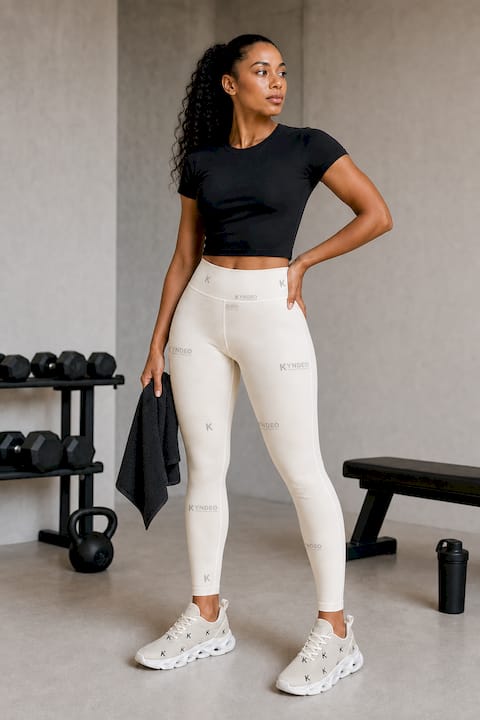
Durability when the fabric is right. Stretch fabrics with a spandex or elastane component tend to resist creasing and hold their shape longer than rigid wovens under repeated movement. Wirecutter’s reporting on stretch denim found that even 1–3% elastane in a structured fabric significantly reduces pinching and eliminates the break-in period that 100% cotton requires.
Pro Tip: If you want the look of structured pants with the feel of activewear, look for tailored joggers or flexi-waist trousers that use a hidden elastic panel rather than a full exposed band. You get the silhouette without the stiffness.
How does a flexible waistband actually work?
“Flexible waistband” covers several distinct construction types, and each behaves differently on the body.
- Enclosed elastic (hidden casing): Elastic runs through a fabric tunnel sewn to the top of the pants. Clean-looking from the outside, common in casual trousers and dress pants marketed as “flexi waist.” Comfortable but can roll if the casing is too wide or the elastic too narrow.
- Exposed elastic: The elastic band itself is visible and often branded. Standard in athletic wear. Holds position well and is easy to adjust with a drawcord.
- Foldover/rolldown: A wide fabric band worn folded over or rolled down to the wearer’s preferred height. Adjustable compression, popular in yoga and lounge styles. Particularly useful for people with abdominal sensitivity.
- Stretch-knit waistband: The waistband is knit from the same stretch fabric as the body of the pant, with no separate elastic insert. Feels the most like a second skin; common in high-performance leggings.
- Adjustable drawcord: Added to exposed or enclosed elastic bands for a custom fit. Prevents slippage during high-movement activities.
Band width matters as much as type. A wider band (3–4 inches) distributes pressure across a larger surface area, which tends to feel more supportive and less constricting than a narrow 1-inch band at the same tension. Construction details, including how the elastic is anchored and what stitch type holds it, determine whether the band rolls or holds shape over time. A practical sewing guide from Curvy Sewing Collective breaks down exactly why sewn-in elastic behaves differently from a casing, and why those details matter for long-term fit.
What features should you look for when buying?
Knowing what to check on a product page saves you from a return.
Fabric and stretch type:
- Two-way stretch moves in one direction (typically width). Fine for low-movement wear.
- Four-way stretch moves in all directions. Required for yoga, running, or any activity involving deep bends.
- Elastane/spandex content: Consumer guides on stretch fabrics recommend blends with at least 5–10% spandex for reliable recovery. Higher percentages (15–20%) suit compression-style athletic wear.
Waistband construction checklist:
- Width of 2.5 inches or more for all-day wear without rolling
- Topstitching along the top and bottom edges to anchor the band flat
- Drawcord or internal grip tape if you plan to run or do high-impact movement
- No exposed raw edges inside the band (a sign of lower construction quality)
- Flat seams at the side joins to prevent pressure points
Fit cues by use case:
- Yoga and studio work: high-rise foldover or wide enclosed elastic, four-way stretch
- Travel: mid-rise enclosed elastic or stretch-knit, two-way or four-way stretch
- Streetwear: tapered jogger with exposed elastic and drawcord, or flexi-waist trouser with hidden casing
Sustainability cues. Look for recycled polyester (rPET), organic cotton blends, or OEKO-TEX certification on the label. Kyndeoactivewear’s sustainable activewear collection covers what to look for if eco-conscious manufacturing matters to your purchase decision.
A fabric that recovers its shape after stretching will hold the waistband flat through hundreds of washes.*
Who gains the most from flexible-waist pants?
Not everyone needs a flexible waistband, but for most active and everyday lifestyles, the advantages of stretchy pants are hard to argue against.
People with variable waist size or abdominal sensitivity. Bloating, pregnancy, post-surgical recovery, and conditions like IBD all create situations where a rigid waistband becomes genuinely painful. Foldover and low-compression styles offer adjustable coverage without added pressure.
Travelers. Long flights and road trips compress the body in ways that make a structured waistband feel punishing after hour two. A stretch-knit or enclosed-elastic pant packs flat, resists wrinkles, and feels the same at hour eight as it did at departure.
Active people: runners, gym-goers, yoga practitioners. Freedom of movement is non-negotiable when you’re training. Comparison guides on stretch vs. non-stretch pants consistently recommend stretch styles for movement-heavy jobs and workouts where flexibility outweighs the need for structured tailoring.
Seniors and people with limited mobility. Pull-on construction removes the fine motor challenge of buttons and zippers. A wide, soft waistband also reduces pressure on sensitive areas.
Where structured waistbands still make sense. Formal business attire, heavy-labor uniforms that require a belt, and tailored occasion wear all benefit from a structured waist. The fit is more precise, and the silhouette reads more formal. Flexible waistbands are not universally superior — they are situationally superior for comfort and movement.
How do you style flexible-waist pants so they look intentional?
The styling gap between “gym clothes” and “put-together outfit” usually comes down to three decisions: silhouette, top, and footwear.
- Tuck vs. untuck: A fitted tuck into a high-rise waistband creates a clean line and shows the band intentionally. An untucked structured top or oversized tee reads more casual. Either works; the key is committing to one.
- Silhouette choice: Tapered joggers read most versatile. Wide-leg foldover pants lean lounge or resort. High-rise leggings work for studio-to-street when paired with a longer top or blazer.
- Footwear: Clean lifestyle sneakers pull an elastic-waist look toward streetwear. Slides or sandals push it toward resort. A low-profile trainer keeps it gym-ready.
- Layering for work-ready looks: A structured blazer or fitted zip hoodie over a high-rise legging or tapered jogger reads business-casual in most creative and casual office environments.
- Color and texture: Neutral tones (black, cream, earth tones) read most polished. Matching sets, where the top and bottom share the same fabric and color, eliminate the “I grabbed whatever” look entirely. Kyndeoactivewear’s matching activewear sets are built specifically for this gym-to-street transition.
- Accessories: A structured bag or crossbody elevates an athleisure outfit faster than any other single item. A visor or cap keeps the look active without looking underdressed.
For a deeper look at silhouette options, Kyndeoactivewear’s guide to yoga pant choices covers when to choose high-rise elastic waist styles and how they pair with different body types.
How do you wash and store elastic waistbands to keep them lasting?
Elastic degrades faster from heat and harsh chemicals than from wear. The right laundry habits extend the life of a waistband by years.
- Wash cold. Hot water breaks down elastane fibers and causes premature sagging. Cold water (below 86°F) preserves recovery.
- Skip fabric softener. Softener coats stretch fibers and reduces their ability to snap back. Use a gentle detergent designed for activewear or delicates.
- Turn pants inside out. Reduces friction on the outer fabric and protects any printed or textured waistband details.
- Air-dry when possible. Tumble drying on high heat is the fastest way to kill elastic. If you use a dryer, low heat only, and remove the pants while slightly damp.
- Avoid hanging by the waistband. Storing stretch pants on a hanger by the waistband stretches the elastic permanently over time. Fold and store flat or in a drawer.
- When to replace internal elastic: If the waistband folds over on itself during wear, no longer returns to its original width after washing, or leaves visible indentations after a few hours, the elastic has lost its recovery. At that point, a tailor can replace the elastic for less than the cost of a new pair.
Pro Tip: Mid-travel fix for a stretched waistband: run the waistband under hot water for 30 seconds, then let it air-dry flat. Heat causes elastic fibers to contract slightly, which can restore some of the original tension.
How tight should elastic waistband pants actually fit?
A flexible waistband should feel snug enough to stay up without a belt, but loose enough that you can slide two fingers underneath without effort.
Signs of poor fit:
- Gapping at the back waist when you bend forward (band is too large or rise is too low)
- Rolling or folding over at the top (band is too narrow, too loose, or lacks topstitching)
- Visible red marks or indentations after an hour of wear (band is too tight or too stiff)
- Waistband slipping down during movement (elastic has lost tension or size is too large)
How to measure for pull-on fit:
- Measure your natural waist (narrowest point) and your hip (widest point)
- Check the brand’s size chart against both measurements, not just one
- For pull-on styles, size to your hip if your hip-to-waist ratio is more than 10 inches
- For high-rise styles, check the rise measurement against your torso length
A practical rule from the sewing community: elastic should measure roughly one inch less than your waist measurement for pull-on comfort without slippage. That’s a useful benchmark when evaluating whether a waistband feels right out of the box.
Practical fixes for imperfect fit:
- A tailor can take in or let out a casing-style waistband in under 30 minutes
- Internal grip tape (sold at fabric stores) prevents a too-loose band from slipping without altering the garment
- Switching from a narrow to a wide waistband style often resolves rolling without any alteration
What does research say about waistband comfort and movement?
The evidence connecting clothing fit to physical comfort is more rigorous than most shoppers expect.
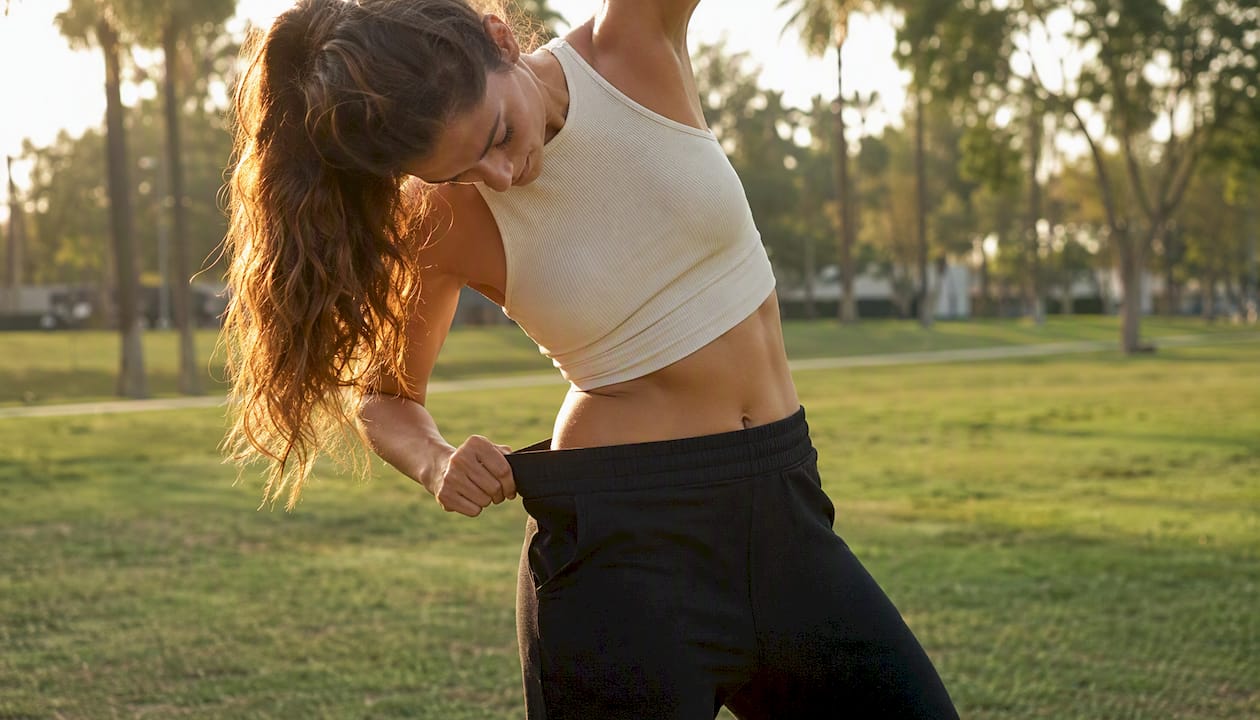
A peer-reviewed ergonomics study found that garments creating local pressure on the waist reduce perceived comfort and restrict movement range. The study recommends designing waistbands specifically to minimize that pressure, which is the functional argument for elastic and stretch-knit construction over rigid wovens.
On the fabric side, Wirecutter’s product testing found that adding just 1–3% elastane to denim significantly improved comfort ratings and eliminated the break-in period associated with 100% cotton. That’s a small material change with a disproportionate comfort payoff.
For people with medical or sensitivity-related needs, first-person reporting from Bezzy IBD documents that foldover and low-compression waistbands reduce abdominal discomfort during flare-ups and increase wearability on difficult days. The mechanism is straightforward: less pressure on an already-sensitive area means less pain signal.
Posture is a less-discussed benefit. A waistband that fits correctly and sits at the intended rise point encourages a neutral pelvis position. A band that digs or rides down tends to cause compensatory posture shifts, particularly during prolonged sitting.
Why Kyndeoactivewear builds around flexible waistbands
The decision to center movement-ready design in every Kyndeoactivewear piece comes from a simple observation: most people’s days don’t fit into one category. You’re not just at the gym, just at the office, or just running errands. You’re doing all of it, often in the same outfit.
Flexible waistbands are not a comfort compromise. They are a design choice that respects how bodies actually move. Kyndeoactivewear’s high-rise yoga pants use a wide, four-way stretch waistband that holds its position through a full workout and still looks clean enough for a post-gym coffee stop. The women’s activewear collection and men’s activewear collection both prioritize that gym-to-street range, with silhouettes that work as hard as the fabrics do.
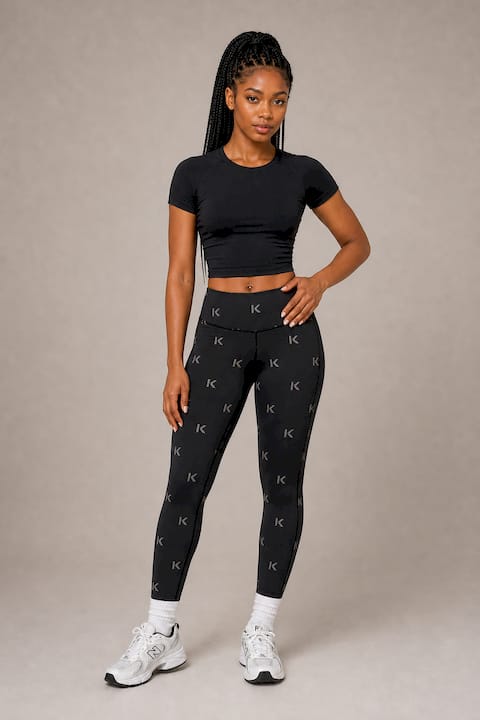
The brand’s Black-owned identity is also part of the design philosophy: building for real bodies, real schedules, and real style without asking you to choose between looking good and moving freely.
Kyndeoactivewear’s flexible-waist styles, built for your pace
Kyndeoactivewear’s gym-to-street clothing line is built on one premise: your pants should move when you do, look good when you arrive, and hold up through both. The high-rise yoga pants feature a wide enclosed elastic waistband with four-way stretch fabric, designed to stay flat through squats and look intentional on the street. The men’s joggers use an exposed elastic band with a drawcord for a secure, adjustable fit that works for training and travel alike. For a coordinated look, the matching workout sets pair flexible-waist bottoms with movement-ready tops in the same fabric and colorway. If sustainable manufacturing matters to your decision, the sustainable activewear collection covers the materials and practices behind the products. Browse the full range and check the size guide on each product page to find your fit.
Sources
- PMC - study on clothing and ergonomics
- Denim Nerds Are Wrong. Stretch Jeans Are Superior. | Reviews by Wirecutter
- 7 Pants Comfortable Enough to Wear During IBD Flare-Ups
- How To Give Any Stretch Pants An Elastic Waist
- Stretchy pants facts everyone should know
FAQ
What are the main benefits of elastic waist pants?
Elastic waist pants reduce pressure on the waist, allow a full range of motion for bending and squatting, and adapt to natural body size changes throughout the day. They’re particularly useful for travel, active lifestyles, and anyone with abdominal sensitivity.
How tight should elastic waistband pants be?
The waistband should feel snug enough to stay up without a belt but loose enough to slide two fingers underneath comfortably. A practical sewing guideline suggests the elastic should measure roughly one inch less than your actual waist measurement.
What does “flex waist” mean in pants?
“Flex waist” refers to an elasticized waistband design, often a hidden elastic panel inside a structured trouser, that allows the waistband to expand with movement or body size changes. It’s common in business-casual and dress pants marketed for all-day comfort.
Do flexible waistbands work for active lifestyles?
Yes. Four-way stretch waistbands in styles like Kyndeoactivewear’s high-rise yoga pants hold their position through high-movement activities while still looking clean enough for everyday wear after the workout.
How do you keep elastic waistbands from losing their stretch?
Wash in cold water, skip fabric softener, and air-dry or use low heat only. Heat and harsh detergents break down elastane fibers faster than wear does, so laundry habits have a bigger impact on longevity than how often you wear the pants.