

Fabric technology in gym wear is the science of engineered textile systems designed to optimize athletic performance through specialized fiber blends, knit structures, and performance finishes. The industry term is performance textile engineering, and understanding it separates smart purchases from expensive mistakes. The best gym wear fabric types combine polyester, nylon, and elastane in precise ratios to deliver moisture management, abrasion resistance, and stretch recovery built for real training. Standards bodies like AATCC and certifications from brands like Lycra set the benchmarks that separate lab-tested claims from marketing noise. This guide breaks down every layer of fabric technology gym wear explained, so you can buy with confidence.
What are the main fiber types in gym wear?
Performance gym wear typically blends polyester, nylon, and elastane to deliver moisture-wicking, abrasion resistance, and stretch recovery. Each fiber plays a specific role, and the blend ratio determines how a garment performs under real training conditions.
Polyester is hydrophobic. It pulls moisture away from skin and dries fast. It holds its shape through repeated washing and resists UV degradation. Polyester works best in tees and tops where abrasion is minimal and moisture management is the priority.
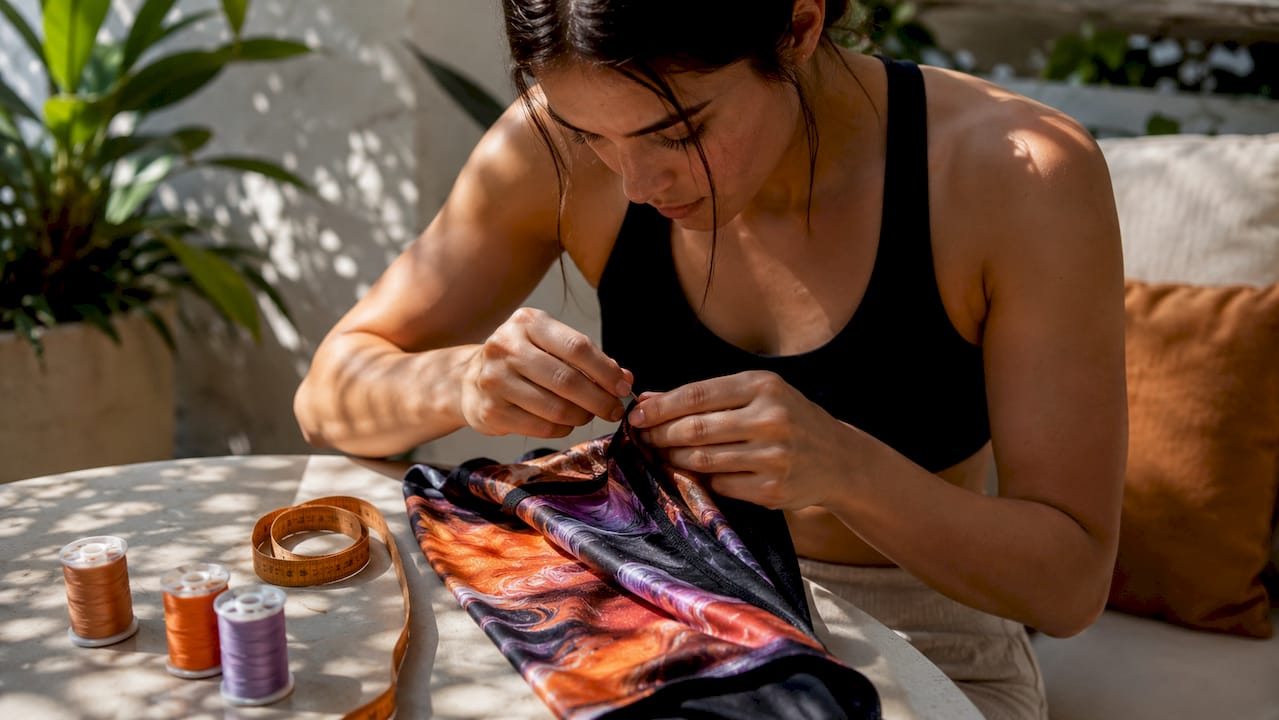
Nylon is softer than polyester and significantly more abrasion resistant. Strength-training apparel uses 80–92% nylon blends for leggings because the inner thigh and waistband contact zones take constant friction. That abrasion resistance translates directly to longer garment life.
Elastane (also called spandex or Lycra) provides stretch and recovery. Recovery is the critical property, not just stretch. Even 5–10% elastane in a blend shifts a fabric from stiff to true four-way stretch with the recovery needed to prevent sagging after repeated wear and wash.
Fiber property comparison
| Fiber | Key Strength | Best Use | Weakness |
|---|---|---|---|
| Polyester | Moisture-wicking, UV resistance | Tops, tees | Lower abrasion resistance |
| Nylon | Abrasion resistance, softness | Leggings, shorts | Higher cost |
| Elastane/Spandex | Stretch and recovery | All garments | Degrades with heat washing |
Pro Tip: Check the elastane percentage before buying leggings. Below 5% and you are getting stretch without meaningful recovery. That means the waistband rolls and the seat sags by your third set.
How does knit construction shape gym wear performance?
Knit construction determines how a fabric moves with your body. Woven fabrics have almost no inherent stretch. Knit fabrics stretch because their looped yarn structure allows movement in multiple directions. For gym wear, knit is the standard.
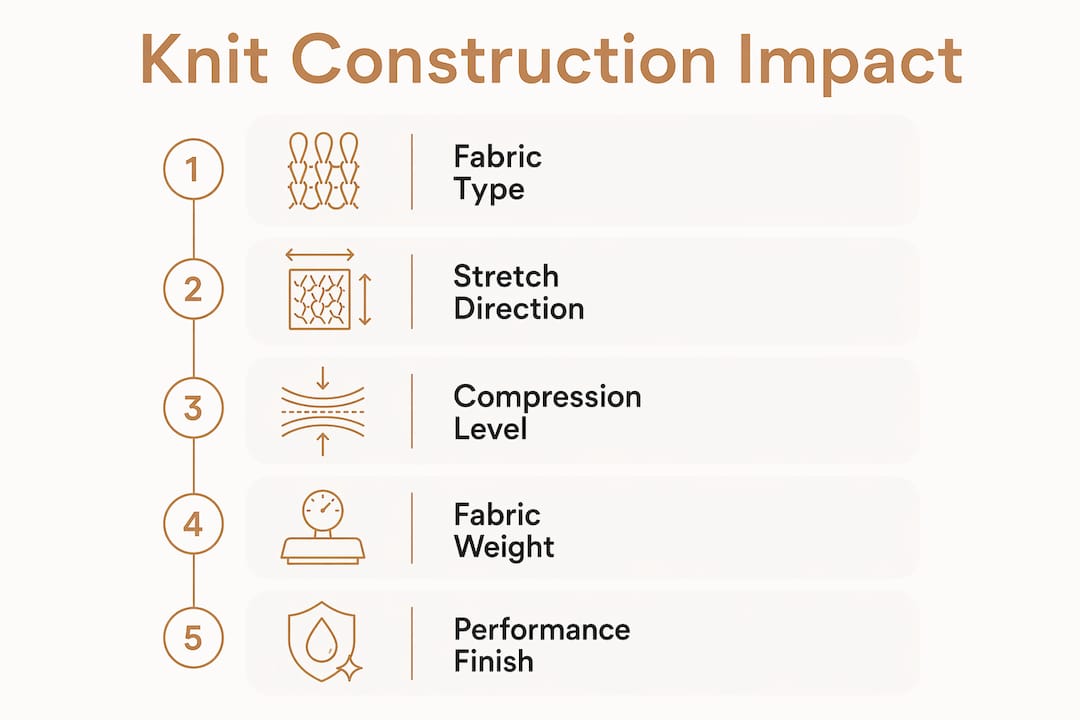
Four-way stretch requires at least 8–15% Lycra or spandex combined with a specific knit structure like jersey or interlock. Four-way stretch means the fabric moves with you in every direction, front to back and side to side. That matters for squats, lunges, and any compound movement.
Here is how the main knit types compare in practice:
- Circular knit: Produced on circular machines, this is the most common construction for activewear. It creates a smooth, consistent fabric well suited for tops and mid-compression leggings.
- Interlock knit: A double-layer circular knit. Heavier, more stable, and better at holding compression. Used in premium leggings and fitted shorts.
- Warp knit (tricot): Runs lengthwise rather than in loops. More resistant to runs and snags. Common in swimwear and high-abrasion gym shorts.
Fabric weight, measured in grams per square meter (GSM), also matters. A 200–280 GSM fabric delivers compression and structure. Below 180 GSM and you are in lightweight territory, better for yoga and low-impact movement than heavy lifting.
What performance finishes actually do for your workout
Performance finishes are coatings or treatments applied after the fabric is knit. They add function that the fiber alone cannot deliver. Moisture-wicking is the most common claim in activewear marketing, but the term covers a wide range of actual performance.
True moisture management works through capillary action. The fabric pulls sweat from skin to the outer surface where it evaporates. The problem is that wicking efficacy can fail under real gym conditions, especially after repeated washing and mechanical stress. A garment that wicks well on day one may not wick the same way after 30 wash cycles.
Thermal regulation is where 2026 technology gets genuinely interesting. Fabrics with carbon-nanotube coatings dynamically regulate temperature by adjusting fiber pore spacing based on humidity and body heat. When you warm up, the pores open to release heat. When you cool down, they close to retain warmth. This is not a fixed thermal treatment. It is a physical microstructural response. NASA Outlast uses phase change materials to store and release thermal energy, originally developed for astronaut suits.
Odor control finishes like Polygiene StayFresh work by reducing odor-causing bacteria at the fabric surface. These are applied as permanent coatings rather than wash-out treatments.
For durability, look for garments tested to AATCC standards. AATCC 35 tests water resistance. AATCC 61 tests colorfastness through accelerated wash cycles. These tests give you objective data, not marketing copy.
Pro Tip: Ask brands for their AATCC test results before buying premium activewear. If they cannot provide them, the performance claims are marketing language, not lab-validated fact.
How do compression fabrics work and what should you know?
Compression gym wear is a specific category with technical requirements most consumers never see. Compression is measured in millimeters of mercury (mmHg). Compression fabrics typically target 15–30 mmHg for muscle support during exercise. That pressure range supports circulation and reduces muscle oscillation during impact.
The elastane percentage in compression garments is higher than in standard activewear. Most compression fabrics contain 18–22% elastane. But percentage alone does not guarantee performance. Compression effectiveness depends on knit construction and spandex quality, not just the number on the label.
Spandex quality breaks down into two key specs: denier and yarn type. Covered spandex (where the elastane core is wrapped in nylon or polyester) lasts longer and holds pressure better than bare spandex yarn. Bare spandex degrades faster with UV exposure and heat washing.
Compression fabric performance deteriorates when spandex quality or recovery is poor. Garments lose pressure and shape, which leads to poor fit and reduced support. The right test is post-wash recovery: does the garment return to its original dimensions after 20 wash cycles?
Compression fabric parameters
| Parameter | Standard Range | What It Means |
|---|---|---|
| Elastane content | 18–22% | Drives compression pressure |
| Compression pressure | 15–30 mmHg | Muscle support level |
| Knit type | Warp knit preferred | Better pressure retention |
| Spandex type | Covered yarn | Longer durability |
Pro Tip: Warp knit construction holds compression pressure better than circular knit over time. If a brand does not specify knit type on compression leggings, that is a gap worth asking about.
Key takeaways
The most effective gym wear fabrics combine precise fiber ratios, engineered knit construction, and lab-tested performance finishes to deliver durability, compression, and comfort that holds up through real training.
| Point | Details |
|---|---|
| Fiber ratios matter | Nylon-dominant blends suit leggings; polyester suits tops where abrasion is lower. |
| Recovery beats stretch | Elastane recovery prevents sagging and maintains garment shape through repeated wear. |
| Knit type drives compression | Warp knit holds pressure better than circular knit for compression garments. |
| Finishes need lab testing | Look for AATCC 35 and AATCC 61 certifications to verify performance claims. |
| Thermal tech is real | Carbon-nanotube and NASA Outlast fabrics actively regulate temperature, not just insulate. |
What i have learned after years of watching gym wear fail
The most common mistake I see fitness consumers make is buying on stretch. You pull a legging off the rack, feel how far it stretches, and assume that means quality. It does not. Stretch is easier than recovery. Any fabric with enough elastane will stretch. The real test is whether it snaps back after 50 squats and 20 wash cycles.
I have seen premium-priced activewear from well-known brands fail the recovery test within three months. The waistband folds. The seat loses shape. The compression that felt supportive on day one is gone. That is a spandex quality problem, not a design problem. Brands that do not specify covered yarn versus bare spandex are cutting costs where it shows.
The thermal regulation story is the one I find most compelling right now. Adaptive thermal fabrics that respond to humidity and body heat are not a gimmick. The mechanism is physical and measurable. If you train in variable conditions, from a cold gym to a hot outdoor run, this technology genuinely changes how you feel during transitions.
My practical advice: prioritize recovery validation, ask for AATCC test data, and look for covered spandex yarn in any compression piece you buy. The brands that can answer those questions are the ones building gear that lasts.
— Bryan
Built for motion: kyndeoactivewear’s approach to performance fabric
Kyndeoactivewear builds every piece around the same principles this guide covers. Premium elastane blends for real stretch and recovery. Performance-tested fabrics that manage moisture and hold their shape through training and washing. Clean looks that move from the gym to the street without missing a beat.
The Purpose High-Rise Yoga Pants are built with compression-grade fabric that holds pressure and shape through every session. The sleeveless yoga tops use moisture-managing blends that keep you dry and comfortable from warm-up to cool-down. Kyndeoactivewear is a Black-owned brand built for people who move with purpose every day. Explore the full collection at Kyndeoactivewear and feel intentional from the first wear.
FAQ
What does fabric technology mean in gym wear?
Fabric technology in gym wear refers to engineered textile systems that combine specific fiber blends, knit structures, and performance finishes to optimize moisture management, stretch recovery, compression, and thermal comfort during exercise.
What is the best fiber blend for gym leggings?
An 80–92% nylon blend with 8–20% elastane delivers the best combination of abrasion resistance, compression, and recovery for leggings used in strength training and high-impact workouts.
How does moisture-wicking gym wear actually work?
Moisture-wicking fabrics use capillary action to pull sweat from skin to the outer fabric surface where it evaporates. Efficacy depends on fiber type, finish durability, and how well the treatment holds up after repeated washing.
What is the difference between two-way and four-way stretch?
Two-way stretch moves in one axis, typically width. Four-way stretch moves in both width and length, requiring at least 8–15% Lycra or spandex and a jersey or interlock knit construction for full multi-directional movement.
How do i know if compression gym wear will hold up over time?
Look for covered spandex yarn, warp knit construction, and AATCC-tested colorfastness and water resistance. Garments that specify these details are built to retain compression pressure through repeated wash cycles.