

CrossFit-ready activewear is defined as performance apparel engineered to endure multi-planar, high-intensity training through durability, sweat-wicking fabrics, and unrestricted movement. The industry term is “CrossFit performance wear,” and the best examples of crossfit ready activewear share three non-negotiable traits: stretch construction, reinforced seams, and moisture management. Kyndeoactivewear builds its collections around exactly these standards, offering gear that moves from the box to the street without missing a beat. Whether you are grinding through a Murph or hitting a clean-and-jerk PR, what you wear directly affects how you perform and recover.
1. What makes CrossFit shorts and leggings performance-ready?
CrossFit shorts and leggings must survive rope climbs, box jumps, and Olympic lifts without tearing or restricting movement. The construction details matter more than the brand name on the label.
Two-way stretch fabrics are the baseline standard for CrossFit bottoms. They allow your legs to move in every direction without the fabric pulling back against you. Optimal CrossFit shorts also feature approximately 3.5-inch side slits, which prevent fabric bunching during high kicks and deep squats.
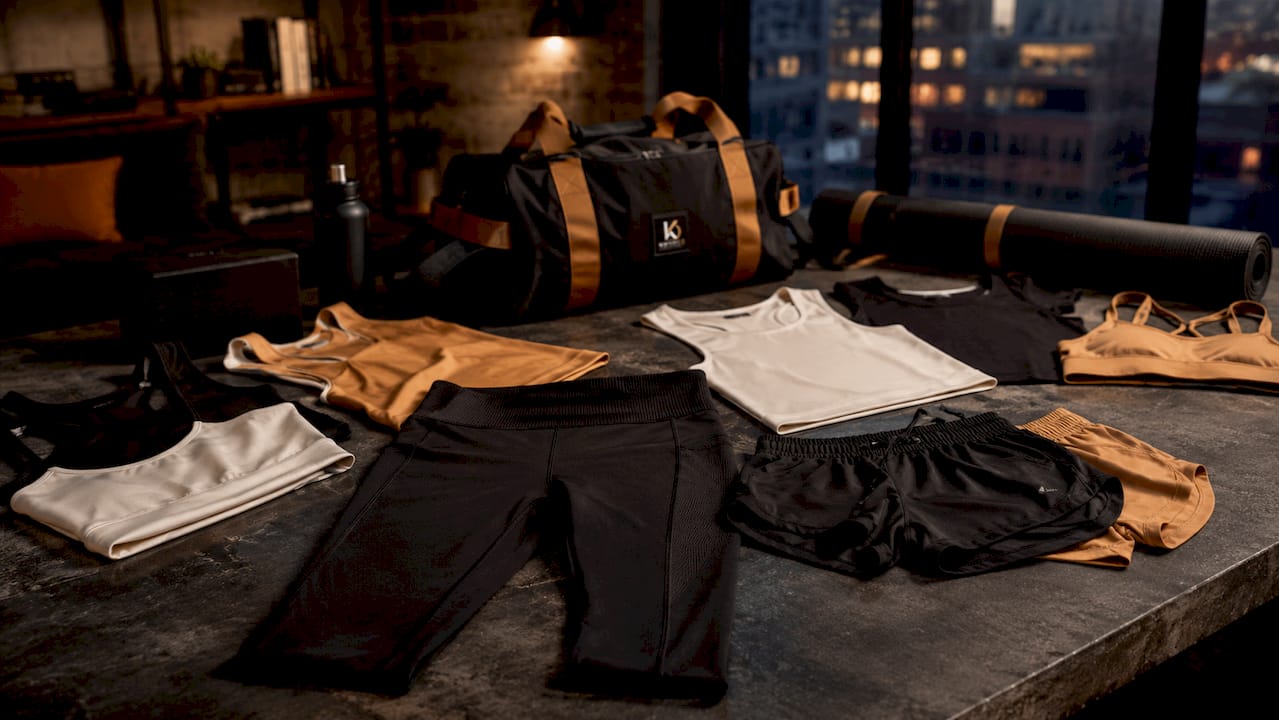
Triple-stitched seams are the construction detail most athletes overlook until a seam blows mid-WOD. Reinforced stitching extends garment life significantly under the friction of rope climbs and barbell contact. Kyndeoactivewear’s High Rise Yoga Shorts apply this same durability logic, pairing stretch construction with reinforced seams built for real training loads.
Key features to look for in CrossFit bottoms:
- 2-way stretch fabric: Moves with you through squats, lunges, and lateral drills
- Side slits or gussets: Prevent fabric restriction during high-range movements
- Triple-stitched seams: Resist tearing on equipment contact and rope friction
- Moisture-wicking finish: Pulls sweat away from skin to reduce chafing
- Anti-odor treatment: Keeps gear fresh through back-to-back training days
Pro Tip: Wash CrossFit shorts inside out in cold water to preserve moisture-wicking coatings and extend the life of reinforced seams.
2. Top features of CrossFit tops and tanks
CrossFit tops must manage heat, allow full shoulder mobility, and hold their shape through hundreds of washes. The wrong fabric choice turns a tough workout into an uncomfortable one.
Technical fabric blends outperform cotton in CrossFit settings because cotton absorbs sweat rather than moving it away from your skin. A soaked cotton shirt adds weight, causes chafing, and slows you down. Polyester-elastane blends, like the 90% recycled polyester and 10% elastane construction used in the Velites HOLO T-shirt, maintain breathability and shape under sustained effort.
Racerback tanks are the most practical top design for CrossFit. They eliminate shoulder seams that interfere with barbell positioning and allow full arm rotation during pull-ups and overhead movements. A 60/40 combed ring-spun cotton-poly blend at 4 oz./yd² hits the sweet spot between breathability and structure for athletes who want a slightly softer feel. Kyndeoactivewear’s tees and hoodies collection offers ergonomic cuts designed for the same freedom of movement.
What to prioritize in CrossFit tops:
- Polyester-elastane or poly-cotton blends: Breathable, light, and sweat-resistant
- Racerback or ergonomic cut: Frees the shoulders for overhead and pulling movements
- Structured side seams: Maintain shape and prevent the top from riding up
- Moisture management: Wicks sweat fast to regulate body temperature
- Care durability: Holds performance properties through repeated machine washing
Pro Tip: Turn performance tops inside out before washing and skip the dryer. Heat breaks down elastane fibers and degrades moisture-wicking treatments faster than any workout will.
3. Why footwear is a non-negotiable part of CrossFit gear
Shoes are the most consequential piece of CrossFit equipment most athletes underinvest in. The wrong shoe does not just limit performance. It creates injury risk.
Flat-soled training shoes outperform cushioned running shoes for CrossFit because running shoes are built for forward-motion cushioning, not lateral stability or load transfer. When you squat or deadlift in a cushioned running shoe, the soft midsole compresses unevenly and shifts your base. That instability travels up through your knees and hips.
“Beginners should avoid all-in-one athletic shoes not optimized for diverse CrossFit movement demands. A flat, grippy sole provides the stable base that weightlifting and multi-directional drills require, reducing injury risk from the first session.”
Key shoe features for CrossFit training:
- Flat or minimal sole: Creates a stable base for lifting and jumping
- Lateral grip: Supports side-to-side movements without slipping
- Durable upper: Withstands rope climbs and box contact
- Low heel-to-toe drop: Keeps your weight centered during squats and cleans
- Secure lacing system: Prevents foot shift during dynamic movements
Kyndeoactivewear’s lifestyle sneakers prioritize stability and style, making them a practical choice for athletes who want a shoe that works in and out of the gym.
4. How to choose activewear that balances style and function
The best CrossFit performance wear does not force you to choose between looking good and training hard. The right pieces do both without compromise.
Fabric composition is the first filter. Synthetic blends with at least 10% elastane deliver the stretch needed for CrossFit movements. Ethical production and sustainability are now standard considerations for performance-minded athletes, with brands increasingly using recycled materials without sacrificing technical performance. Kyndeoactivewear’s commitment as a Black-owned business adds a community dimension to every purchase.
Matching sets simplify your training wardrobe and create a put-together look from the moment you walk in. Kyndeoactivewear’s women’s activewear sets pair coordinated tops and bottoms that move together and style together. Layering options like hoodies and joggers extend the life of your gym outfit into errands and casual outings.
How to evaluate a CrossFit apparel purchase:
- Check the fabric label for elastane or spandex content (10% minimum for stretch)
- Inspect seam construction for triple stitching or flatlock finishing
- Confirm moisture-wicking and anti-odor claims on the product page
- Assess the cut for shoulder and hip mobility before buying
- Consider whether the piece works outside the gym to maximize cost-per-wear
| Feature | What to look for |
|---|---|
| Fabric blend | Polyester-elastane or poly-cotton with 10%+ elastane |
| Seam construction | Triple-stitched or flatlock seams |
| Moisture management | Wicking finish with anti-odor treatment |
| Fit and cut | Ergonomic, movement-tested design |
| Versatility | Gym-to-street styling without changing |
5. CrossFit activewear fabric technologies compared
Not all activewear fabrics perform equally in CrossFit conditions. The differences show up fast when the workout gets hard.
Stretch blends built around polyester and elastane are the top choice for CrossFit bottoms and tops. They hold their shape under load, dry fast, and resist odor better than natural fibers. Cotton-heavy fabrics absorb moisture and stay wet, which increases friction against skin and equipment during rope climbs and barbell work.
| Fabric type | Stretch | Moisture-wicking | Durability | Best use |
|---|---|---|---|---|
| 100% polyester | High | Excellent | High | Shorts, tanks |
| Polyester-elastane blend | Very high | Excellent | Very high | Leggings, fitted tops |
| 60/40 cotton-poly | Moderate | Good | Moderate | Casual tanks, layering |
| 100% cotton | Low | Poor | Moderate | Warm-ups only |
| Recycled polyester-elastane | Very high | Excellent | High | All CrossFit apparel |
Reinforced seams and triple stitching are the construction factors that separate CrossFit-grade gear from standard gym wear. Activewear designed for CrossFit must balance stretch with toughness to avoid fabric failure during complex movements. Breathability comes from open-knit structures and moisture channels built into the fabric, not just the fiber type.
Key Takeaways
CrossFit performance wear requires stretch fabric, reinforced construction, and moisture management to support high-intensity, multi-planar training without failure.
| Point | Details |
|---|---|
| Fabric composition matters most | Choose polyester-elastane blends with at least 10% elastane for CrossFit movements. |
| Seam construction determines longevity | Triple-stitched or flatlock seams prevent tearing during rope climbs and barbell contact. |
| Flat-soled shoes prevent injury | Cushioned running shoes destabilize lifting and lateral movements; flat soles do not. |
| Avoid cotton-heavy fabrics | Cotton absorbs sweat and causes chafing; technical blends manage moisture actively. |
| Style and function coexist | Matching sets and ergonomic cuts let you train hard and look intentional doing it. |
What I’ve learned from years of watching athletes choose the wrong gear
Most athletes spend more time researching their programming than their apparel. That is a mistake with real consequences.
The most common error I see is buying general athletic wear and expecting it to hold up in CrossFit. A shirt designed for yoga will not survive a rope climb. Shorts cut for running will bunch and restrict during a squat clean. The movements in CrossFit are too varied and too demanding for gear that was not built with them in mind.
The second mistake is prioritizing price over construction. A cheap pair of leggings with flat seams will fail at the inner thigh within weeks of regular training. Investing in pieces with reinforced seams and technical fabrics, like those in the Kyndeoactivewear activewear for life collection, costs more upfront and far less over time.
The third thing I have noticed is that athletes who wear coordinated, well-fitting gear train with more confidence. That is not vanity. It is psychology. When your gear fits right and looks right, you show up differently. Kyndeoactivewear gets this balance right by building pieces that are built for motion and styled for life beyond the gym.
— Bryan
Kyndeoactivewear’s CrossFit-ready collections
Kyndeoactivewear builds activewear that meets the real demands of CrossFit training without sacrificing the style you want outside the gym.
The women’s activewear collection features stretch-fitted leggings, tanks, and matching sets designed for full range of motion and all-day wear. The men’s activewear collection pairs durable construction with clean, modern styling built for athletes who train hard and live fully. Every piece is movement-ready from the first wear, crafted by a Black-owned brand that understands what it means to show up with purpose. Gear that performs in the box and looks sharp everywhere else is not a compromise. It is the standard.
FAQ
What fabric is best for CrossFit activewear?
Polyester-elastane blends are the top choice for CrossFit activewear. They provide high stretch, fast moisture-wicking, and durability through repeated high-intensity use.
Why shouldn’t I wear running shoes for CrossFit?
Running shoes use cushioned soles designed for forward motion, not lateral stability or load transfer. Flat-soled training shoes provide the stable base CrossFit lifting and multi-directional movements require.
How do I know if CrossFit shorts will hold up?
Look for triple-stitched seams, 2-way stretch fabric, and side slits of approximately 3.5 inches. These construction details prevent tearing during rope climbs, squats, and Olympic lifts.
Can I wear matching sets for CrossFit training?
Yes. Matching sets with stretch fabric and ergonomic cuts perform well in CrossFit and transition directly to casual wear. Kyndeoactivewear’s coordinated sets are built for exactly this gym-to-street versatility.
Is cotton acceptable for CrossFit workouts?
Cotton absorbs sweat rather than wicking it away, leading to discomfort and chafing during prolonged CrossFit sessions. Technical blends are the better choice for any high-intensity training format.