

A high-performance gym wardrobe is a curated collection of technical apparel designed to support movement, manage sweat, and transition from training to everyday wear without missing a beat. Building one is not about owning more clothes. It is about owning the right clothes. The best workout apparel combines moisture-wicking fabrics, four-way stretch, and smart construction so your gear works as hard as you do. This guide breaks down the fabric science, gym clothing essentials, and layering strategies you need to build a performance training wardrobe that holds up from the squat rack to the street.
What fabric features matter most for high-performance gym apparel?
Fabric is the foundation of every high-performance gym gear decision. Get it wrong and even the best-cut piece will fail you mid-workout.
Moisture-wicking and quick-dry performance are non-negotiable. Polyester dries 50–70% faster than cotton and retains breathability after multiple washes. That speed matters when you are moving between exercises or heading straight from the gym to your next stop.
Four-way stretch and elastane content determine how freely you move. Snug but non-restrictive fit with added spandex and four-way stretch prevents movement hindrance during workouts. Look for at least 10–15% elastane in any piece you plan to use for lifting, yoga, or HIIT.
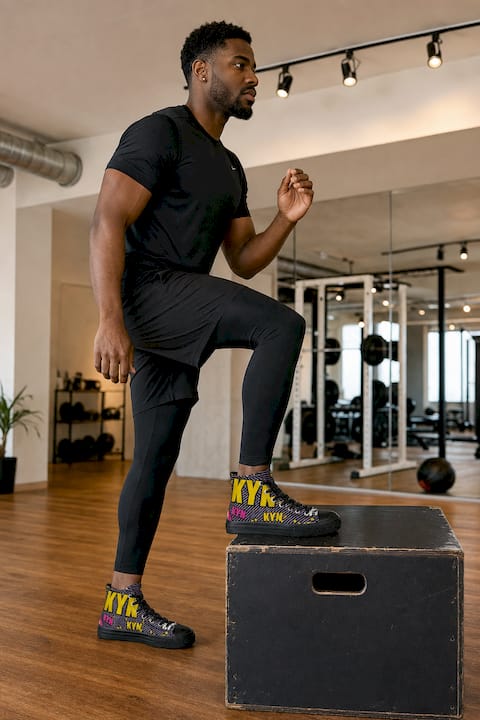
Fabric GSM (grams per square meter) is the spec most shoppers overlook. GSM tells you how heavy and dense a fabric is, which directly affects breathability and durability.
| GSM Range | Best Use Case | Climate |
|---|---|---|
| 100–150 GSM | High-intensity cardio, hot studios | Warm or hot |
| 150–250 GSM | Weight training, indoor mixed use | Moderate |
| 200–250 GSM | Cold-weather runs, outdoor training | Cold |
Fabric GSM helps match gym apparel weight and breathability to workout intensity and climate. That means a 130 GSM tank is the right call for a hot yoga session, while a 230 GSM merino blend makes sense for an outdoor winter run.
Pro Tip: Fiber composition matters as much as GSM. A 200 GSM polyester/spandex blend performs very differently from a 200 GSM cotton blend. Always check both the weight and the fiber content before buying.
One common mistake is confusing fabric weight alone with performance. Fiber composition and intended climate must also inform your buying decisions. A heavy fabric in the wrong fiber will leave you soaked and uncomfortable regardless of its GSM rating.
Which gym clothing essentials belong in every training wardrobe?
A functional fitness wardrobe does not require dozens of pieces. It requires the right pieces, chosen for how you actually train.
Start with your tops. Moisture-wicking t-shirts, tanks, and sports bras form the core of any gym clothing essentials list. Look for:
-
Recycled polyester or nylon blends with at least 10% spandex
-
Flatlock seams at the shoulders and underarms to prevent chafing
-
Racerback or raglan cuts for overhead movement freedom
-
Anti-odor treatments, such as silver-ion infused yarns, for longer wear cycles
Bottoms are where fit and construction matter most. Leggings, training shorts, and joggers each serve different workout types.
-
Leggings: Leggings under 180 GSM risk see-through issues. Choose 220–280 GSM for durable, squat-proof compression. The Kyndeoactivewear Purpose Black High-Rise Yoga Pants are built in this range with a high-rise waistband that stays put during heavy lifts.
-
Shorts: Opt for 5-inch or 7-inch inseams with a built-in liner for versatility across cardio and strength sessions.
-
Joggers: Choose tapered cuts in lightweight French terry or performance fleece for warm-up and cool-down phases.
Footwear and socks are not afterthoughts. Supportive athletic shoes tailored to your primary training style, whether that is cross-training, running, or lifting, protect your joints and improve performance. Moisture-wicking, cushioned socks prevent blisters and reduce odor buildup.
Pro Tip: A lightweight pullover or crewneck sweatshirt is one of the most underrated pieces in a gym wardrobe. The Kyndeoactivewear Purpose Crewneck Sweatshirt works for warm-up sets, post-workout cool-downs, and casual wear without needing a wardrobe change.
Performance gym wear is evolving beyond workout-only use toward all-day versatility, blending style and technical features to serve multiple lifestyle needs. That shift means your gym clothing essentials should earn their place outside the gym too.
How do you build a versatile, modular gym wardrobe system?
A modular wardrobe system replaces the “outfit by outfit” approach with a layering framework that works across training environments and daily life. A layering system uses base layers for circulation, primary performance layers for moisture transport, and technical shells for environmental protection.
Here is how to build each tier:
-
Base layer: Compression shorts or leggings in a polyester/spandex blend. These sit against the skin, manage sweat, and support muscle groups during heavy training.
-
Primary performance layer: A moisture-wicking tee or tank that moves sweat away from the base layer and dries fast. The Kyndeoactivewear Maison Core Tee fits this role with four-way stretch and clean styling that reads well outside the gym.
-
Technical shell: A lightweight hoodie or zip-up that blocks wind and traps warmth during outdoor training or commutes.
Selecting base, primary, and technical shell layers with compatible fabric friction and thermal properties optimizes comfort across training environments. That compatibility is what makes the system feel effortless rather than thrown together.
Color and cut strategy matters for mix-and-match flexibility.
| Strategy | What It Means | Why It Works |
|---|---|---|
| Neutral base colors | Black, gray, navy as primary pieces | Pairs with any accent color |
| Accent color pops | One or two bold colors per wardrobe | Adds personality without clutter |
| Consistent cut family | Stick to similar silhouettes across pieces | Creates a cohesive, intentional look |
| Dual-purpose pieces | Anti-odor, UV-protective fabrics | Gym to street without changing |
Anti-microbial and anti-odor treatments significantly improve gym clothing usability for multipurpose wear. Silver-ion infused yarns prevent odor buildup, allowing longer wear cycles between washes. That feature alone reduces how many pieces you need in rotation.
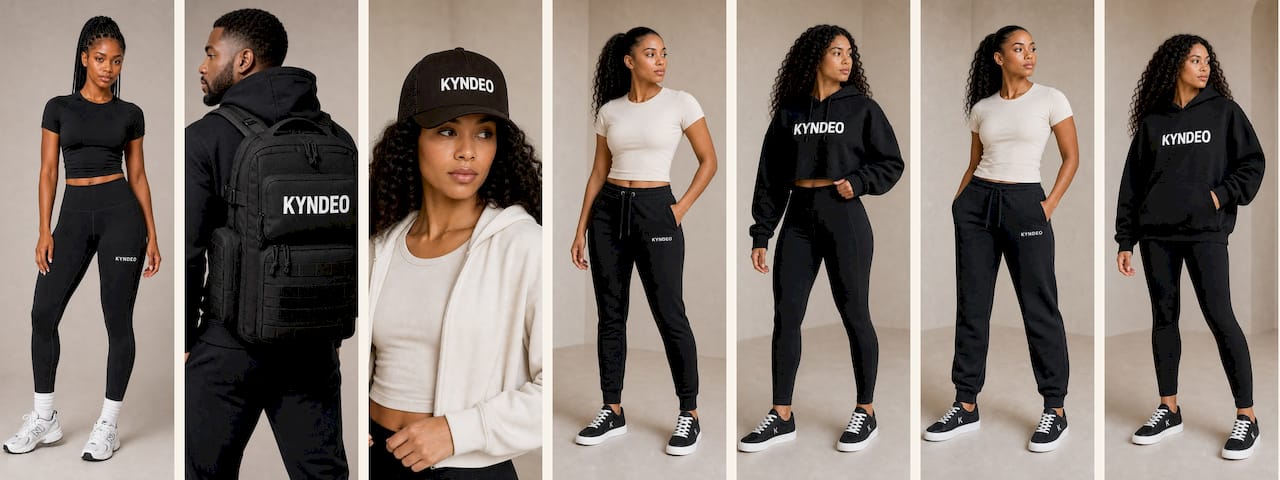
A capsule wardrobe approach works well here. Aim for 5–7 tops, 3–4 bottoms, 2 outer layers, and 3–4 pairs of socks and shoes. That count covers five to six training days per week with room for laundry cycles.
What garment construction details improve comfort and durability?
Fabric specs get the attention, but garment construction is what separates gear that lasts from gear that fails at the worst moment.
Flatlock seams are the single most important construction detail for comfort. Standard seams stack fabric layers and create ridges that press against skin during movement. Flatlock seams lie flat against the body, which reduces skin irritation during long sessions or high-rep sets.
Gusseted crotches are the detail that separates training-specific apparel from regular athletic wear. Gusset panels of 10–12 cm spread tension during deep squats to prevent seam pulling. Without a gusset, standard seams pull and restrict movement at the bottom of a squat or lunge.
Raglan and underarm gussets serve the same function for upper body pieces. Gusseted crotches and raglan sleeves enable free overhead movement and reduce seam tension during compound lifts. If you press, pull, or row heavy, this construction detail directly affects your range of motion.
Waistband stability matters more than most people realize. Mid-rise and high-rise waistbands with wide elastic bands stay put during dynamic movements. A waistband that rolls or slides mid-set is a distraction you do not need.
Pro Tip: Test opacity before you buy. Hold the fabric up to light and stretch it. Garment opacity in active leggings is critical for confidence during squats and deep stretches. Higher GSM and tight weaves prevent see-through failures common in lighter fabrics.
Reinforced stitching and abrasion resistance extend the life of your investment. Gym apparel designed for intense training uses strong flatlock seams and reinforced panels to withstand friction and washing. Check the inner thigh and seat areas of any legging or short before purchasing.
Bryan’s take: what i’ve actually learned building my own training wardrobe
Most people overbuy at the start and underbuy where it counts. I did the same thing. I had 12 t-shirts and one pair of leggings that actually worked.
The shift that changed everything was treating my wardrobe like a system, not a collection. Once I committed to three neutral base colors and only bought pieces that layered together, I stopped wasting money on items that sat unused. Every piece had to earn its spot by working in at least two contexts: training and everyday wear.
The other lesson was fabric testing. I wore a 130 GSM tee to a heavy lifting session once. It was soaked in ten minutes and felt like wearing a wet paper towel. Now I match GSM to the session before I buy. Hot yoga gets 100–150 GSM. Strength training gets 180–220 GSM. Cold outdoor runs get merino blends.
Invest in fewer, better pieces. Three pairs of high-quality leggings that hold their shape and opacity after 50 washes beat ten pairs that pill and go sheer after five. The math is simple. The discipline to follow it takes a minute to build.
— Bryan
How Kyndeoactivewear helps you build your performance wardrobe
Kyndeoactivewear is built for the pace of real life, from the gym floor to the street, with clean looks that convert across every context.
Every piece in the Kyndeoactivewear collection is designed with the modular wardrobe principles covered in this article. The Purpose High-Rise Yoga Pants deliver 220+ GSM compression with anti-odor fabric and a high-rise waistband built for heavy lifts and all-day wear. The Maison Core Tee brings four-way stretch and moisture-wicking performance in a silhouette that looks intentional on and off the gym floor. Shop the full Kyndeoactivewear collection and build your performance wardrobe with pieces that are built for motion and made to last.
Key takeaways
A high-performance gym wardrobe requires the right fabric specs, smart construction details, and a modular layering system that works from training to everyday wear.
| Point | Details |
|---|---|
| Match GSM to your workout | Use 100–150 GSM for hot sessions, 150–250 GSM for indoor training, and 200–250 GSM for cold conditions. |
| Prioritize construction details | Flatlock seams, gusseted crotches, and high-rise waistbands prevent chafing and improve range of motion. |
| Build a layering system | Use base, primary performance, and technical shell layers that work together across training environments. |
| Choose dual-purpose pieces | Anti-odor and UV-protective fabrics extend wear beyond the gym and reduce how many items you need. |
| Test opacity before buying | Leggings under 180 GSM risk transparency during squats; choose 220–280 GSM for squat-proof compression. |
FAQ
What is a high-performance gym wardrobe?
A high-performance gym wardrobe is a curated set of technical apparel built for moisture management, mobility, and durability across multiple workout types and daily activities. It prioritizes fabric specs like GSM, elastane content, and construction details over brand names or aesthetics alone.
How many pieces do you need to create a fitness wardrobe?
A functional performance training wardrobe covers five to six training days with 5–7 tops, 3–4 bottoms, 2 outer layers, and 3–4 pairs of socks and shoes. Dual-purpose, anti-odor pieces reduce the total count needed.
What is gym wardrobe rotation and why does it matter?
Gym wardrobe rotation is the practice of cycling through multiple sets of apparel to allow fabrics to recover their stretch and reduce wear from consecutive use. Rotating three to four pairs of leggings, for example, extends the life of each pair significantly compared to wearing the same pair daily.
How do you choose gym clothes that are squat-proof?
Choose leggings with a GSM of 220–280, a tight weave, and a high percentage of nylon or polyester in the fiber blend. Test opacity by stretching the fabric under light before purchasing.
What fabrics work best for high-intensity training?
Polyester and nylon blends with 10–15% elastane are the best workout apparel fabrics for high-intensity training. Polyester dries 50–70% faster than cotton, retains breathability, and maintains performance after repeated washing.