

Gym appropriate clothing is defined as apparel that combines moisture-wicking fabrics, proper fit, and activity-specific design to support performance and reduce injury risk. The right workout attire does more than cover your body. It manages sweat, allows full range of motion, and keeps you focused on the work. Comfortable, well-fitting clothes lower the mental barriers that stop people from showing up consistently. Whether you are lifting, running, or flowing through yoga, what you wear directly affects how well you move and how long you stay motivated.
What is gym appropriate clothing and why does it matter?
Gym appropriate clothing, also called performance activewear, is any garment designed to support physical activity without restricting movement, trapping heat, or causing discomfort. The standard industry term for this category is “performance activewear,” and it covers everything from leggings and sports bras to training shoes and moisture-wicking tops.
Three factors define whether clothing qualifies as gym appropriate: fabric technology, fit, and activity match. A cotton T-shirt fails all three for intense training. A stretch-fitted polyester set built for motion passes all three. Properly fitting gym wear supports confidence and consistency in training, which means your outfit choice has a direct effect on how often you actually go.
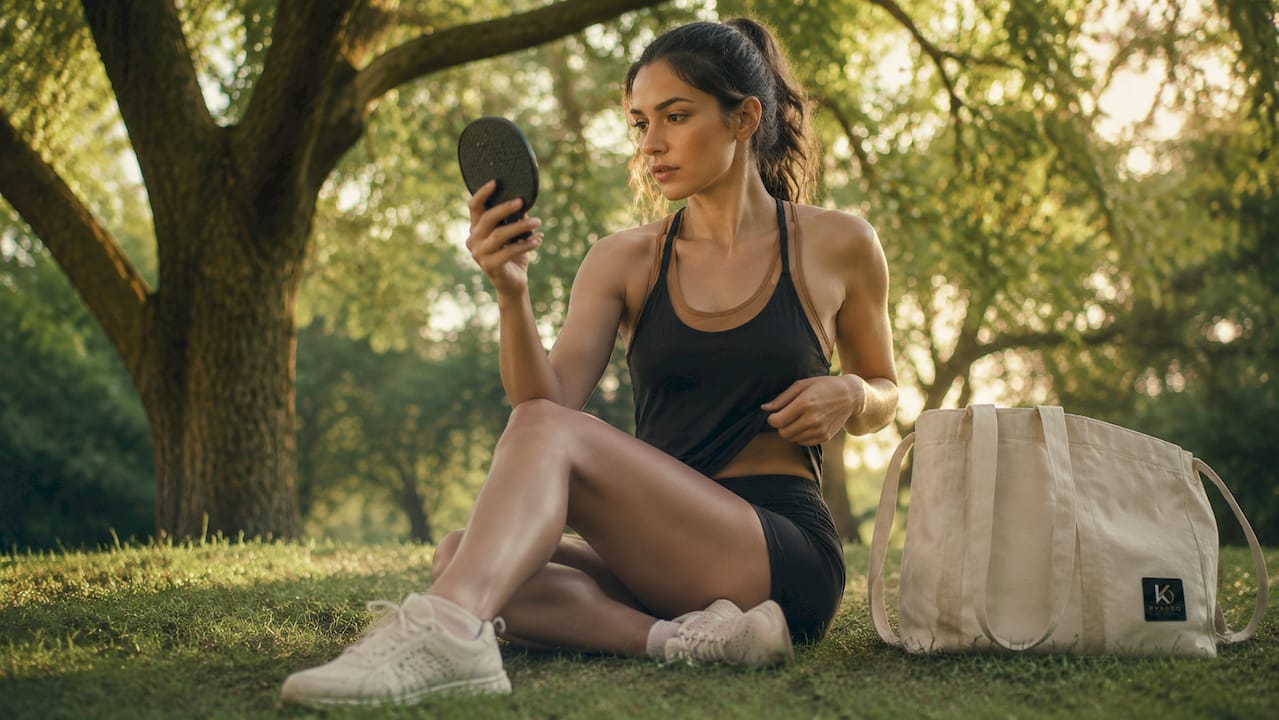
The psychological side of this is real. Wearing clothes that feel intentional from the first wear changes your mindset before you even touch a weight. That is not a small thing. It is the difference between dreading the gym and feeling ready for it.
What fabric technologies make gym clothing suitable and comfortable?
Fabric is the single most important factor in gym clothing performance. The wrong material turns a solid workout into a sweaty, uncomfortable grind.
Experts advise against cotton for intense workouts because it absorbs sweat, dries slowly, and clings to the body. That wet, heavy feeling mid-workout is almost always cotton. Synthetic blends solve this problem directly.
The best gym fabrics include:
- Polyester: Lightweight, durable, and fast-drying. Holds its shape through repeated washes and heavy movement.
- Nylon: Softer than polyester with excellent stretch recovery. Great for leggings and fitted tops.
- Spandex (Lycra): Added in small percentages to provide four-way stretch. Lets fabric move with your body instead of against it.
- Moisture-wicking blends: Engineered to pull sweat away from skin and push it to the fabric surface where it evaporates. This keeps your core temperature stable during cardio and HIIT sessions.
Opacity and durability matter just as much as sweat management. A legging that looks solid standing up can become sheer under tension. That is a problem you want to catch before you buy, not during a squat at the gym.
Pro Tip: Before buying leggings or shorts, perform the squat test. Fabric may look opaque standing but become sheer under tension. Squat deep in the fitting room and check for thinning at the seams and seat. If you can see through it, leave it on the rack.
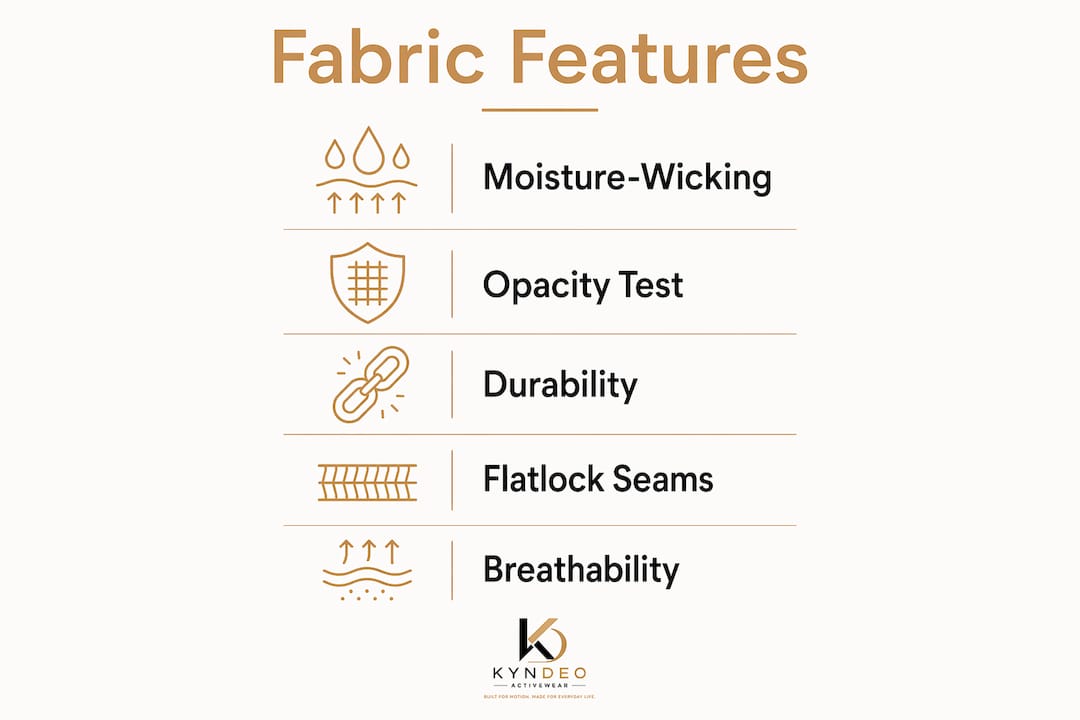
Durability also shows up at the seams. Flatlock stitching, where seams lie flat against the skin, prevents chafing during high-rep movements. Check seam construction before you buy, especially on shorts and leggings you plan to wear for lifting or running.
How to choose gym clothing based on your workout type
Not all gym sessions are the same, and your clothing should reflect that. A single outfit does not work equally well for heavy deadlifts and a 45-minute spin class.
Here is how to match your attire to your training:
- Weightlifting: Choose stable waistbands that stay in place during loaded movements. Fitted shorts or men’s leggings prevent fabric from bunching under a barbell. Flat-soled shoes are non-negotiable here.
- HIIT and circuit training: HIIT gear emphasizes light, breathable fabrics and secure support. You need clothing that moves in every direction without riding up or shifting.
- Cardio and running: Cushioned shoes and moisture-wicking fabrics are the priority. Compression tights reduce muscle fatigue on longer runs. Avoid loose shorts that create friction on the inner thigh.
- Yoga and mobility work: Soft, stretchy fabrics with four-way stretch are best. Avoid slippery materials that shift on a mat. Barefoot or grip socks work better than sneakers.
- Group fitness classes: Versatile mid-support pieces work well here. A fitted tank, high-waist legging, and cross-training shoe cover most class formats.
Sports bra fit deserves its own attention. The two-finger rule is the standard check: two fingers should fit between your shoulder and the strap for ideal support without chafing. Too tight causes friction. Too loose means the bra is not doing its job during high-impact movement.
Seasonal layering is practical, not optional. A lightweight activewear hoodie handles warm-up and cool-down phases without adding bulk. In colder months, a base layer under your main top keeps muscles warm before you hit working sets.
What footwear and accessories are essential for gym safety?
Footwear is the most overlooked part of gym outfit planning. The wrong shoe does not just feel bad. It increases injury risk and reduces performance.
Closed-toed sneakers with good arch support and slip resistance are the baseline requirement for any gym floor. Open-toed shoes and sandals are a safety hazard around weights and machines.
Shoe selection by activity:
- Lifting: Flat or zero-drop soles keep your foot close to the ground and improve stability under load. A raised heel shifts your center of gravity forward, which is a problem during squats and deadlifts.
- Running and cardio: Cushioned shoes reduce impact on joints during repetitive movement. Look for shoes with lateral support if you do side-to-side cardio like aerobics or dance fitness.
- Cross-training: A versatile cross-trainer works for mixed sessions that include both lifting and cardio elements.
Socks are not an afterthought. Synthetic fibers like nylon or acrylic offer cushioning and moisture management that cotton socks cannot match. Sock length matters too. Ankle socks work for most training. Crew-length socks protect the shin during barbell movements like deadlifts.
Pro Tip: Pack a backup pair of socks in your gym bag. Wet socks from an intense cardio session are uncomfortable and increase blister risk if you continue training. A fresh pair costs nothing and makes a real difference.
Optional accessories worth considering include lifting gloves for grip during pull exercises and a gym visor or cap to keep sweat out of your eyes during outdoor or high-intensity sessions.
How to plan and assemble gym outfits that work every time
Gym outfit planning is the practice of building a small, coordinated wardrobe that covers every training scenario without requiring daily decisions. The industry term for this approach is a capsule wardrobe, and it works just as well for the gym as it does for everyday style.
Capsule wardrobes aligned with workout frequency, climate, and laundry rhythms improve gym outfit selection and convenience. The goal is a flexible system, not a random pile of gear.
| Workout Focus | Recommended Top | Recommended Bottom | Key Feature |
|---|---|---|---|
| Weightlifting | Fitted tank or tee | Compression shorts or leggings | Stable waistband, flat-sole shoe |
| HIIT / Circuit | Lightweight racerback | High-waist shorts or tights | Breathable fabric, secure fit |
| Cardio / Running | Moisture-wicking tee | Compression tights | Cushioned shoe, anti-chafe seams |
| Yoga / Mobility | Soft stretch top | Full-length leggings | Four-way stretch, grip sock |
| Group Fitness | Fitted tank | Mid-rise legging | Versatile cross-trainer |
Build your core gym wardrobe around five categories: tops, bottoms, support pieces (sports bras or compression shorts), outerwear, and training-specific extras like grip socks or a lifting belt. Kyndeoactivewear’s matching activewear sets solve the coordination problem directly. A coordinated set removes the daily decision of what pairs with what, which makes it easier to grab your bag and go.
When shopping, invest in two or three high-quality sets rather than a large collection of low-quality pieces. Quality fabrics last longer, hold their shape, and perform better through repeated washes. Rotate pieces based on your weekly training schedule so nothing wears out faster than the rest.
Key Takeaways
Gym appropriate clothing works because the right fabric, fit, and footwear combination reduces distraction, manages sweat, and supports consistent training habits.
| Point | Details |
|---|---|
| Fabric choice is foundational | Synthetic blends like polyester, nylon, and spandex outperform cotton for sweat management and durability. |
| Match clothing to your workout | Lifting needs stable waistbands and flat soles; HIIT needs breathable, secure pieces; yoga needs four-way stretch. |
| Footwear affects safety | Zero-drop soles suit lifting; cushioned shoes suit cardio; closed-toe sneakers are required on any gym floor. |
| Test before you buy | The squat test checks opacity and seam durability before a legging fails mid-workout. |
| Outfit planning builds consistency | A capsule wardrobe aligned with your training schedule removes daily friction and keeps you showing up. |
Why what you wear to the gym is worth taking seriously
I have spent years watching people walk into the gym in the wrong gear and walk out early. Not because they lacked motivation. Because their clothes were working against them. Baggy cotton shorts bunching under a barbell. A sports bra that shifted during every box jump. Shoes with a raised heel that made squats feel unstable.
The mistake most people make is treating gym clothing as a secondary concern. They buy whatever is on sale or grab an old T-shirt from the drawer. That approach costs them more in the long run, in discomfort, distraction, and missed sessions.
What I have found is that fit matters more than brand. A well-fitted mid-range set outperforms an expensive piece that does not move with your body. Before you buy anything, wear it through a full range of motion. Squat, lunge, reach overhead. If it shifts, bunches, or becomes sheer, it is not the right piece for training.
Style is not vanity in this context. Wearing something you feel good in genuinely changes how you approach a session. The research backs this up. Outfit that fits well and manages sweat increases the likelihood of showing up. That is a practical argument for caring about what you wear, not a superficial one.
The best gym wardrobe is small, coordinated, and built for motion. You do not need 20 pieces. You need five great ones that cover every training scenario you actually do.
— Bryan
Kyndeoactivewear is built for the way you actually train
Kyndeoactivewear designs performance activewear for people who move with purpose. Every piece is built for motion, from moisture-wicking fabrics that handle intense sessions to stretch-fitted construction that holds its shape rep after rep.
Whether you train five days a week or fit in sessions between a full schedule, Kyndeoactivewear has the gear to match your pace. Shop the full women’s activewear collection or the men’s activewear collection for coordinated sets, performance tees, leggings, and accessories designed to take you from the gym floor to the rest of your day without missing a beat.
FAQ
What is gym appropriate clothing?
Gym appropriate clothing is performance activewear that combines moisture-wicking fabrics, proper fit, and activity-specific design to support movement and manage sweat. It covers tops, bottoms, footwear, and support pieces matched to your training type.
Why is cotton bad for gym workouts?
Cotton absorbs sweat and dries slowly, which causes discomfort and chafing during intense exercise. Synthetic blends like polyester and nylon wick moisture away from the skin and dry faster, making them the better choice for training.
What shoes should I wear to the gym?
Closed-toe sneakers with arch support and slip resistance are the baseline requirement. Flat-soled shoes suit lifting for stability; cushioned shoes suit running and cardio to reduce joint impact.
How do I know if my gym leggings are squat-proof?
Perform the squat test before buying. Squat deep and check whether the fabric becomes sheer or thins at the seams. If it does, the legging is not suitable for training.
What is a gym outfit capsule wardrobe?
A gym outfit capsule wardrobe is a small, coordinated set of activewear pieces covering tops, bottoms, support layers, and outerwear aligned with your training schedule and laundry routine. It removes daily outfit decisions and keeps your gear ready to go.