

The best premium hoodies in the U.S. market for 2026 come from brands that treat fabric selection and construction as seriously as any tailored garment. American Giant, Flint and Tinder, Champion, Reigning Champ, Uniqlo, Russell Athletic, Nike, J.Crew, Camber, and Kyndeoactivewear all make the shortlist, each earning their place through a distinct combination of material quality, durability, fit, and brand credibility. What separates a truly high-end hooded sweatshirt from a mass-market piece is not just price. It is the fiber grade, the knit density, the construction details, and whether the brand can trace where its materials came from.
Here is a quick-reference overview of the top picks:
| Brand | Best For | Material | Fit | Price Range | Durability | Reputation |
|---|---|---|---|---|---|---|
| American Giant | Everyday wear | Heavy cotton fleece | Classic, relaxed | $ | Very high | Made in USA, widely praised |
| Flint and Tinder | Workwear crossover | Brushed cotton | Structured | $ | High | American-made, loyal following |
| Champion | Budget-conscious buyers | Cotton blend | Relaxed | $ | Good | Heritage brand, consistent quality |
| Reigning Champ | Gym-to-street | Terry cotton | Athletic, trim | $$ | Very high | Cult status in activewear |
| Uniqlo | Minimalist style | Cotton fleece | Clean, slim | $ | Good | Japanese precision, accessible |
| Russell Athletic | Retro casual | Cotton blend | Boxy, vintage | $ | Good | Classic American sportswear |
| Nike | Performance and style | Tech fleece / cotton | Athletic | $–$$ | High | Global leader, broad range |
| J.Crew | Smart casual | French terry | Tailored, relaxed | $$ | Good | Polished everyday aesthetic |
| Camber | Heavy-duty use | Cross-knit cotton | Boxy, thick | $$ | Exceptional | Cult favorite for durability |
| Kyndeoactivewear | Gym-to-street lifestyle | Stretch, sustainable | Fitted, fashion-forward | $$ | High | Black-owned, movement-ready |
Each of these brands qualifies as premium for a different reason. Some win on raw material weight and construction. Others lead on design versatility or ethical sourcing. The sections below break down what actually matters when you are spending real money on a hoodie built to last.
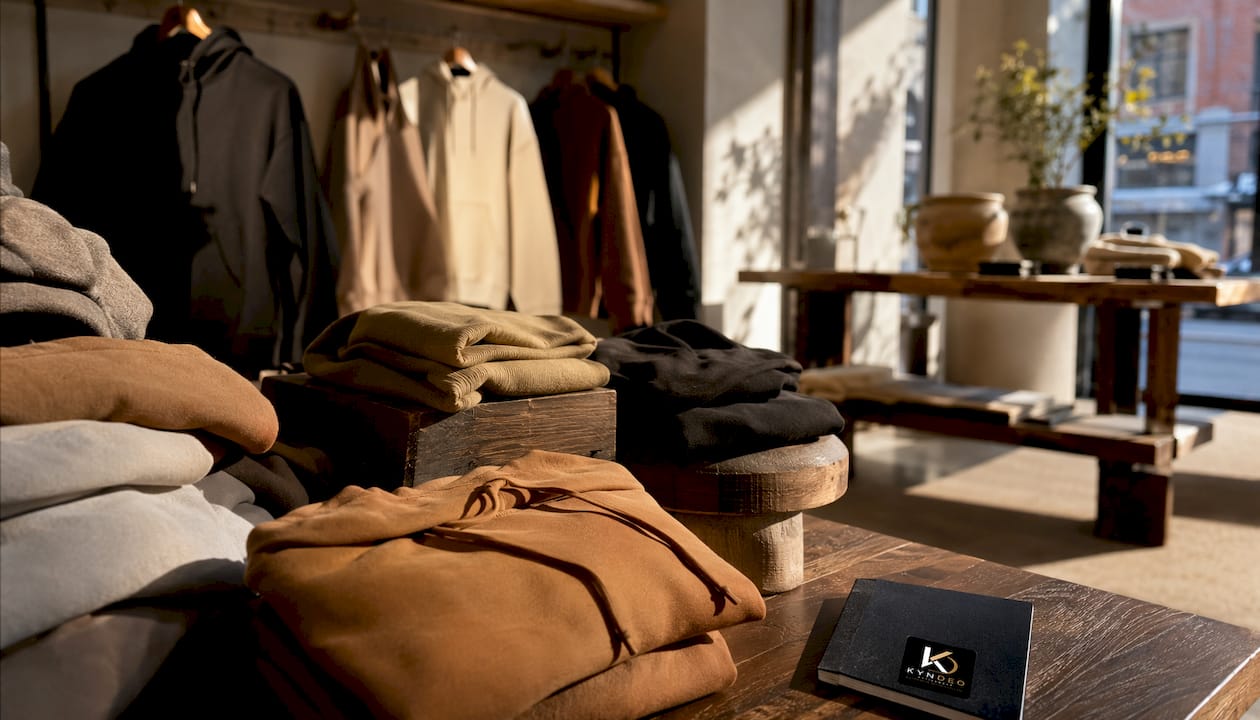
How do the top premium hoodies actually compare?
American Giant
American Giant built its reputation on one thing: the heaviest, most durable cotton fleece hoodie made entirely in the United States. The fabric is a thick, brushed cotton that gets softer with every wash rather than thinner. Fit is classic and relaxed, with reinforced seams at the stress points. If longevity is your primary metric, this is the benchmark.
Flint and Tinder
Flint and Tinder sits in the same American-made category but leans slightly more toward a workwear aesthetic. The brushed cotton construction is structured enough to wear over a collared shirt, and the brand backs its hoodies with a ten-year guarantee. That warranty alone signals confidence in the build quality.
Champion
Champion is the entry point for quality hoodies without the premium price tag. The Reverse Weave construction, which runs the fabric horizontally to resist shrinkage, has been a genuine engineering choice since the 1930s. For buyers who want reliable everyday wear without committing to a higher price tier, Champion delivers.
Reigning Champ
Reigning Champ produces some of the most respected athletic-cut hoodies on the market. The brand uses a midweight terry cotton that holds its shape through repeated washing, and the trim athletic fit works as well at the gym as it does on the street. The price reflects the construction, not just the label.
Uniqlo
Uniqlo’s strength is consistency. The cotton fleece hoodies are cut cleanly, sized predictably, and priced accessibly. They lack the weight of American Giant or the athletic precision of Reigning Champ, but for a minimalist wardrobe staple, the quality-to-price ratio is hard to argue with.
Russell Athletic
Russell Athletic carries genuine heritage credibility. The brand invented the sweatshirt in the 1920s, and its current offerings lean into that vintage boxy silhouette. The cotton blend construction is solid for the price, and the retro aesthetic has found a new audience among buyers who want a lived-in look from day one.
Nike
Nike’s range is wide enough to serve both performance athletes and streetwear buyers. The Tech Fleece line uses a bonded fabric construction that reduces bulk while retaining warmth, making it one of the more technically interesting options in the mid-to-upper price range. The brand’s supply chain scale means consistency across colorways and sizes.
J.Crew
J.Crew positions its hoodies as smart-casual pieces. The French terry fabric is lighter than most athletic options, which makes these hoodies better suited to mild weather or layering than cold-weather wear. The tailored-relaxed fit bridges the gap between a weekend sweatshirt and something you could wear to a casual office.
Camber
Camber is the choice for buyers who want maximum fabric weight and construction integrity above all else. The brand’s cross-knit cotton construction produces a hoodie that feels almost architectural. It is not the most stylish option, but for pure durability and warmth, Camber has a devoted following that treats these as lifetime purchases.
Kyndeoactivewear
Kyndeoactivewear approaches the hoodie from a gym-to-street perspective. The Noir Ivory Hoodie uses stretch-fit, sustainable materials designed to move with the body during a workout and look intentional on the street afterward. As a Black-owned brand, Kyndeoactivewear also brings a distinct design language, pairing hoodies with coordinated sets that make outfit building effortless.
Pro Tip: When comparing hoodies across brands, check the fabric weight in grams per square meter (GSM) if listed. A hoodie in the 300–400 GSM range will hold its shape and warmth far longer than a 200 GSM option, regardless of brand name.
| Brand | Fabric Type | Construction Detail | Use Case | Price Tier | Warranty/Return |
|---|---|---|---|---|---|
| American Giant | Heavy cotton fleece | Reinforced seams, brushed interior | Everyday, cold weather | $$ | Standard return |
| Flint and Tinder | Brushed cotton | Structured cut, stress-point reinforcement | Workwear, casual | $$ | 10-year guarantee |
| Champion | Cotton blend | Reverse Weave (horizontal knit) | Budget everyday | $ | Standard return |
| Reigning Champ | Midweight terry cotton | Athletic trim cut, shape retention | Gym, street | $$$ | Standard return |
| Uniqlo | Cotton fleece | Clean cut, slim profile | Minimalist, layering | $ | Standard return |
| Russell Athletic | Cotton blend | Vintage boxy silhouette | Retro casual | $ | Standard return |
| Nike | Tech Fleece / cotton | Bonded fabric, reduced bulk | Performance, street | $$–$$$ | Standard return |
| J.Crew | French terry | Tailored-relaxed fit | Smart casual | $$ | Standard return |
| Camber | Cross-knit cotton | Maximum weight, architectural build | Heavy-duty, cold | $$ | Standard return |
| Kyndeoactivewear | Stretch, sustainable | Coordinated sets, movement-ready | Gym-to-street | $$ | Standard return |
What actually makes a hoodie premium?
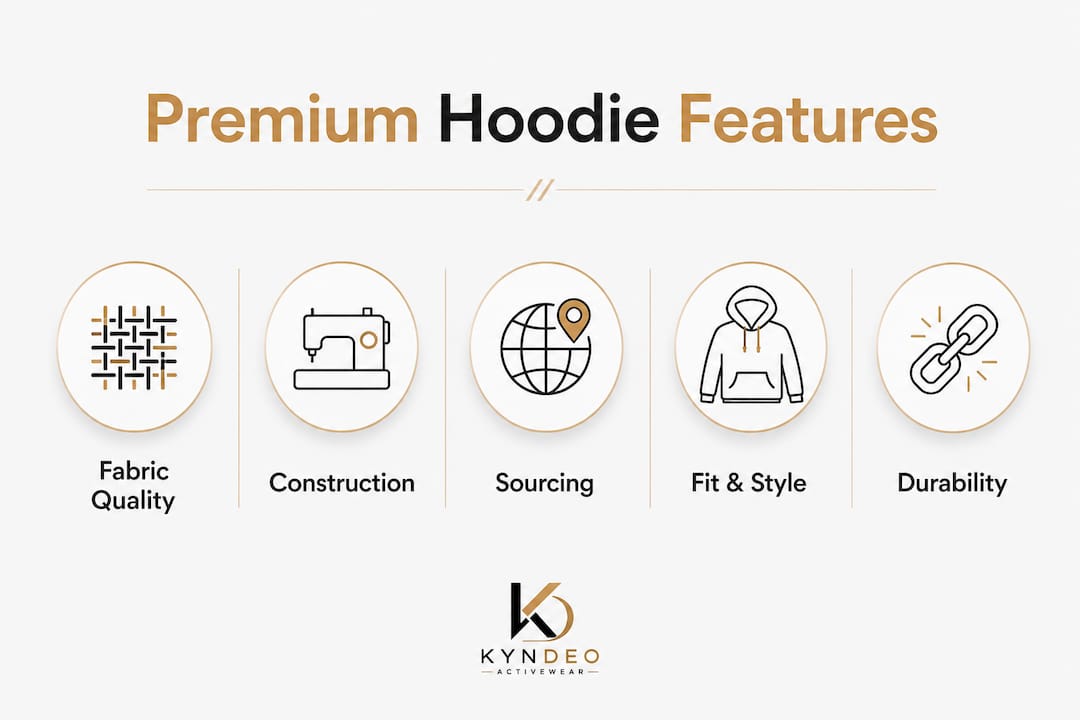
Not every expensive hoodie earns the label. True premium quality comes down to three things: the fiber, the construction, and the sourcing. Get all three right, and you have a garment that performs better and lasts longer than anything off a fast-fashion rack.
Fiber quality starts at the micron level
The most technically meaningful measure of fiber quality is micron count, which measures the diameter of individual fibers. Fibers under 16 microns signal true luxury-grade softness, reducing skin irritation and resisting the pilling that degrades cheaper knitwear over time. Grade A cashmere, extrafine Merino wool, and Mulberry silk all operate in this range, and sourcing from specific regions like Mongolia’s Alxa plateau produces fibers with exceptional fineness and natural breathability.
Statistic callout: Cashmere fibers under 16 microns deliver measurably better softness and longer garment life by reducing the surface friction that causes pilling in lower-grade yarns.
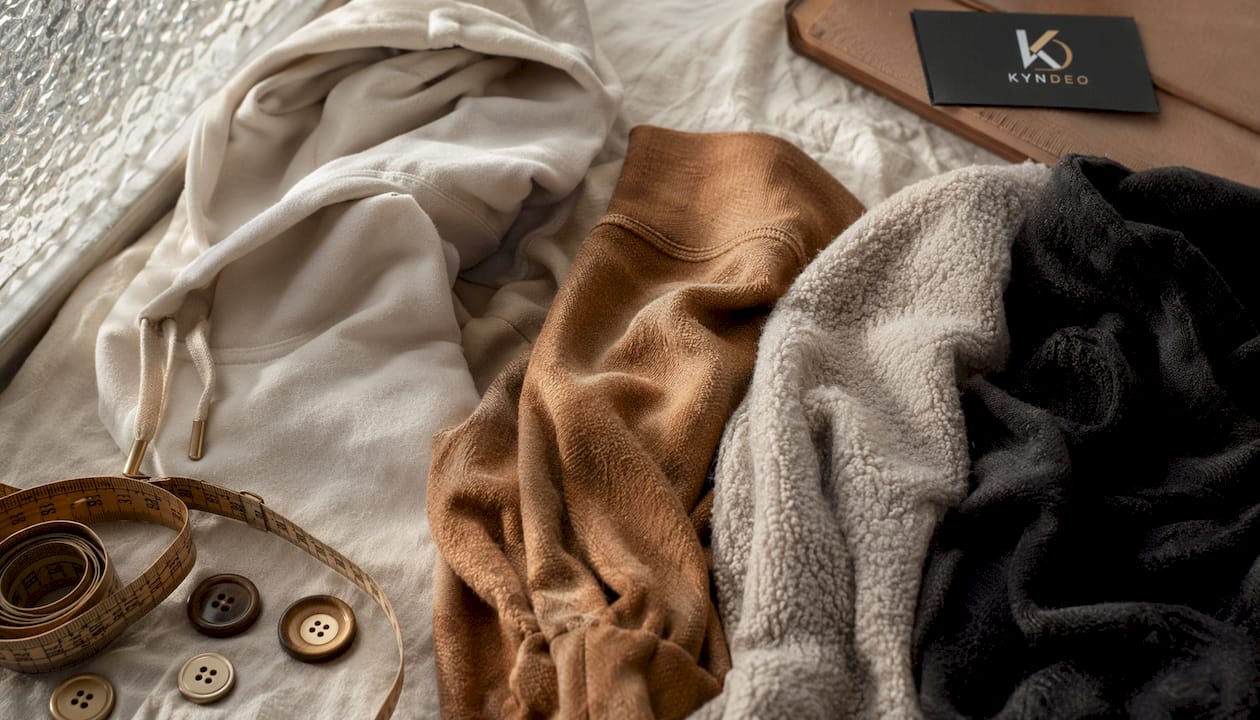
For cotton-based hoodies, the equivalent signal is fabric weight and weave type. Cross-knit and reverse-weave constructions resist shrinkage and distortion in ways that standard jersey knits simply cannot match.
Construction details that separate good from great
- Double-layer hoods add structure and warmth without bulk, and they hold their shape after washing far better than single-layer alternatives.
- Intarsia knitting creates patterns within the fabric itself rather than printing or embroidering on top, which means the design never cracks or fades.
- Leather detailing on drawstrings or patches, as seen on Berluti’s wool and Mulberry silk hoodie, adds tactile richness but requires careful maintenance.
- Ribbed cuffs and hems in a matching yarn weight prevent the stretched-out look that ages a hoodie prematurely.
- Gauge density matters for warmth and drape. A 12-gauge midweight knit balances thermal retention with enough flexibility for active wear, making it the most versatile construction for a hoodie worn across multiple settings.
Ethical sourcing and certified supply chains
Consumers increasingly expect traceability, and the best brands deliver it. The Sustainable Fibre Alliance (SFA) certification, used by producers like MaisonCashmere, verifies responsible sourcing from fiber origin through finished garment. Italian yarn suppliers certified to environmental and ethical standards, such as Biagioli Modesto, represent the production benchmark for luxury knitwear. For activewear-focused brands, certified sustainable materials and transparent supply chains are becoming a baseline expectation rather than a differentiator.
How to choose the right premium hoodie for your lifestyle
The right hoodie depends on how you actually live in it. A cashmere piece built for weekend loungewear is a different purchase than a stretch-fit hoodie designed to carry you from a morning workout to afternoon errands. Asking the right questions before you buy saves you from an expensive mistake.
Questions to ask before you commit
- What is the primary use case? Cold-weather outdoor wear calls for heavier cotton or a wool blend. Gym-to-street wear needs stretch and shape retention. Travel and loungewear benefit from lightweight, wrinkle-resistant fabrics.
- What fiber is it made from? Look for named fibers with grade or micron specifications, not just “premium blend.” Vague material descriptions are a red flag.
- Where is it made, and can the brand trace its supply chain? Certifications like SFA or named yarn suppliers signal accountability.
- What does the fit look like after washing? Reverse-weave and cross-knit constructions hold their dimensions. Standard jersey knits often shrink or distort.
- Does the brand offer a warranty or guarantee? A ten-year guarantee, like Flint and Tinder’s, reflects genuine confidence in the product. A standard 30-day return window does not.
Red flags to watch for
- Generic “premium cotton” language with no weight, grade, or weave specification
- No country of origin listed, or vague “imported” labeling
- Drawstrings and cuffs in a different fabric weight than the body (they will wear out first)
- Prices that seem too low for the claimed materials (true Grade A cashmere has a floor price that reflects the fiber’s rarity)
Price versus value: how to think about it
Spending more on a hoodie makes sense when the construction justifies a longer lifespan. A well-built hoodie that lasts many years costs less per wear than cheaper options that need frequent replacement. The brands in this guide that carry higher price tags, such as Reigning Champ or Kyndeoactivewear’s coordinated sets, earn those prices through materials and construction that hold up to real use. The gym-to-street design philosophy at Kyndeoactivewear, for example, means one piece serves multiple daily functions, which changes the value calculation entirely.
Pro Tip: Try on a hoodie and raise both arms fully overhead. If the hem rides up past your waistband or the shoulder seams pull toward your neck, the fit is too small regardless of the size label. A well-cut premium hoodie should stay in place through a full range of motion.
Care and maintenance by fabric type
Proper care extends the life of any high-quality hoodie significantly. The rules vary by material:
- Cotton fleece and terry: Machine wash cold, tumble dry low or lay flat. Avoid high heat, which breaks down the fiber bonds over time.
- Wool and cashmere blends: Cold delicate wash, lay flat to dry. Never wring or hang wet, as the weight of the water will stretch the knit permanently.
- Luxury materials with leather details: Hand wash or professional dry cleaning is often required to preserve both the fabric and the leather components.
- Stretch-fit activewear fabrics: Turn inside out before washing to protect the outer surface. Avoid fabric softeners, which degrade stretch fibers over time.
Storing hoodies folded rather than hung prevents shoulder distortion, particularly in heavier knits. For cashmere, cedar blocks in the storage area deter moths without the chemical residue of mothballs.
Key Takeaways
The best premium hoodies combine fiber quality, construction integrity, and traceable sourcing. No single brand wins across every category, but the right choice becomes clear once you match the hoodie’s strengths to your actual use case.
| Point | Details |
|---|---|
| Fiber quality is measurable | Cashmere fibers under 16 microns deliver superior softness and resist pilling longer than standard yarns. |
| Construction details signal longevity | Double-layer hoods, reverse-weave cotton, and 12-gauge knit density all extend a hoodie’s functional lifespan. |
| Ethical sourcing is verifiable | Look for SFA certification or named yarn suppliers as proof of a traceable, responsible supply chain. |
| Price reflects cost-per-wear | A higher upfront price is justified when construction quality means the hoodie lasts years longer than budget alternatives. |
| Kyndeoactivewear | Offers stretch-fit, sustainable hoodies designed for gym-to-street wear, backed by a Black-owned brand with coordinated set options. |
The premium hoodie market in 2026 is more than just a wardrobe choice
The hoodie has completed its transition from athletic gear to a genuine lifestyle piece. Premium hoodies now bridge technical athletic comfort and upscale editorial aesthetics, and that dual identity is exactly what 2026 buyers are looking for. You want something that performs during a workout, looks intentional at a coffee shop, and holds up through both without needing to change.
The market is also shifting toward sustainability in a way that goes beyond marketing language. Buyers are asking for certifications, named suppliers, and production transparency. Brands that cannot answer those questions are losing ground to those that can. Kyndeoactivewear’s position as a Black-owned activewear brand with a gym-to-street design focus puts it at the intersection of two growing consumer priorities: ethical sourcing and versatile, fashion-forward style.
A few lifestyle and fashion points worth noting for 2026:
- Coordinated sets are replacing the mix-and-match approach for active buyers who want a pulled-together look without the effort.
- The versatility of a premium hoodie across settings from the gym to casual social occasions is now a primary purchase driver, not a secondary benefit.
- Sustainability credentials are becoming a purchase filter, not just a nice-to-have.
- The gym-to-street category is growing fastest among buyers who prioritize both performance and aesthetic, and brands built specifically for that use case have a structural advantage over those retrofitting athletic gear for lifestyle wear.
The hoodie is no longer a compromise between comfort and style. The best ones deliver both, and the 2026 market has enough strong options that you do not have to settle for less than both.
What the premium hoodie conversation gets wrong
The conventional wisdom on premium hoodies focuses almost entirely on fabric weight and brand heritage. Both matter, but they are not the whole story. A 400 GSM cotton hoodie from a heritage American brand is genuinely excellent for cold-weather wear, but it is the wrong tool if your life involves moving between a gym session, a work call, and a dinner out. Fabric weight becomes a liability when you need range of motion and a silhouette that reads as intentional rather than athletic.
The more useful frame is use-case specificity. The buyers who are most satisfied with their premium hoodie purchases are the ones who matched the garment’s strengths to their actual daily pattern, not the ones who bought the most-reviewed option. A cashmere hoodie is a different object than a stretch-fit gym-to-street piece, and treating them as interchangeable leads to expensive disappointment.
There is also an underappreciated case for coordinated design. A hoodie that pairs with a matching set, like the options Kyndeoactivewear builds around its activewear collections, removes a daily friction point that most buyers do not consciously notice until it is gone. When the hoodie is already designed to work with the rest of your outfit, getting dressed for a full day of movement becomes faster and more consistent.
The premium hoodie market in 2026 rewards buyers who know what they actually need. The brands that win are the ones that build for a specific lifestyle rather than trying to be everything to everyone.
Kyndeoactivewear brings gym-to-street style to the premium hoodie category
Most premium hoodie brands ask you to choose between performance and style. Kyndeoactivewear was built on the premise that you should not have to. The Noir Ivory Hoodie uses stretch-fit, sustainable materials that move with you during a workout and look sharp enough for the rest of your day. The design language is minimal and editorial, built around the brand’s signature gold-bronze and black-cream palette.
As a Black-owned brand, Kyndeoactivewear brings both a distinct aesthetic and a genuine commitment to sustainable activewear practices. The hoodie does not exist in isolation. It is designed to coordinate with matching sets, joggers, and accessories so that your entire outfit works together from the first wear. Browse the full premium hoodie collection and find the piece that fits your pace.
FAQ
What does a premium hoodie actually mean?
A premium hoodie uses high-grade fibers such as Grade A cashmere, extrafine Merino wool, or heavy cotton fleece, combined with construction details like double-layer hoods, reinforced seams, and certified ethical sourcing. The result is a garment that is softer, more durable, and more consistent in fit than standard options.
What are the best high-quality hoodies you can buy in 2026?
American Giant, Flint and Tinder, Reigning Champ, Camber, and Kyndeoactivewear consistently rank among the best for quality, durability, and design. The right choice depends on your use case, whether that is heavy-duty cold-weather wear, gym-to-street versatility, or a minimalist everyday staple.
Are expensive hoodies actually worth the price?
Yes, when the construction justifies the cost. A well-built hoodie with reinforced seams, quality fiber, and proper care can last a decade or more, making the cost-per-wear lower than repeatedly replacing cheaper alternatives. Flint and Tinder’s ten-year guarantee is a concrete example of a brand standing behind that math.
What are some luxury hoodie brands worth knowing?
At the high end, Givenchy produces wool and cashmere hoodies starting at $1,650, and Berluti offers a wool and Mulberry silk option with leather detailing. For buyers who want luxury-adjacent quality at a more accessible price, Reigning Champ and Kyndeoactivewear deliver premium construction without the designer price tag.
How should you care for a high-end hoodie to make it last?
Cotton fleece hoodies wash cold on a gentle cycle and dry low. Cashmere and wool blends require a cold delicate wash and should be laid flat to dry, never hung wet. Hoodies with leather details need hand washing or professional dry cleaning to preserve both the fabric and the hardware.