

Change out of sweaty workout clothes as soon as you can, and swap into a clean gym-to-street set when a shower isn’t immediately possible; that’s the short answer. Dermatology research and odor science both confirm that damp, bacteria-laden fabric pressed against skin for more than an hour raises your risk of folliculitis, fungal infections, and persistent body odor. Your three immediate options after any sweaty session:
- Shower and change into clean clothes within about an hour
- Skip the shower but change into a fresh, dry set (a clean gym-to-street outfit works perfectly)
- Use body wipes and dry powder as a short-term fix when neither option is available
Key Takeaways
Changing out of sweaty workout clothes within one hour, washing must-change items after every session, and keeping a clean spare set ready are the three habits that protect your skin, control odor, and keep you comfortable all day.
| Point | Details |
|---|---|
| One-hour rule | Shower or change into clean clothes within about an hour of heavy sweating. |
| Must-wash items | Sports bras, socks, and underwear must be laundered after every single session. |
| Dry-feeling isn’t clean | Bacteria and skin debris remain in fabric even when it feels dry; rewearing reapplies them. |
| Quick fix without a shower | Change into a clean dry set, use body wipes, and apply drying powder to skin folds. |
| Kyndeoactivewear spare set | Pack a KYNDEO matching set as your post-workout swap to make clean changes fast and street-ready. |
Table of Contents
- Why changing after gym matters for your skin health
- How sweaty clothes create odor and ruin your comfort
- Which garments you must wash after every session
- When should you shower, and what if you can’t?
- How to launder and rotate your activewear properly
- How KYNDEO sets make the post-workout swap practical
- The case for designing around the swap
- Clean clothes, clear skin, confident moves
- Sources
- FAQ
Why changing after gym matters for your skin health
Staying in damp, tight workout clothes creates the ideal environment for three specific skin conditions: folliculitis (infected hair follicles), tinea versicolor (a yeast-driven pigmentation issue), and acne mechanica (friction-triggered breakouts along waistbands and straps). The American Academy of Dermatology confirms that moisture and friction from tight, sweat-saturated fabric are the primary drivers of these conditions.
Here’s what most people miss: fabric that feels dry isn’t clean. Bacteria, skin oils, and sweat residues remain embedded in the fibers. SELF’s reporting on re-wearing sweaty workout clothes cites clinicians who note that putting those clothes back on simply reapplies that microbial buildup directly to your skin, which can trigger breakouts and irritation even hours after the original sweat has evaporated.
The risk window is real. Warm, damp fabric against skin is essentially a petri dish. The longer you stay in it, the more bacteria multiply.
Pro Tip: If you have acne-prone skin, are immunocompromised, or have any open abrasions, treat every sweaty garment as a must-change item, no exceptions. The risk of infection is meaningfully higher for these groups.
| Skin Condition | Trigger | Primary Risk Factor |
|---|---|---|
| Folliculitis | Infected hair follicles | Damp fabric + friction |
| Tinea versicolor | Yeast overgrowth | Prolonged moisture on skin |
| Acne mechanica | Friction breakouts | Tight waistbands and straps |
How sweaty clothes create odor and ruin your comfort
Sweat itself is nearly odorless. The smell comes from bacteria metabolizing sweat and skin lipids on the fabric’s surface. Changing into clean, dry clothes removes that bacterial colony from contact with your skin and stops the odor cycle from continuing.
Fabric choice matters more than most people realize. In a small controlled cycling study, a sniff panel found that polyester shirts smelled worse than cotton after an indoor workout. Broader textile reviews support this: polyester consistently ranks among the worst fabrics for odor retention, while cotton and wool retain less smell in most tests. Quick-dry synthetic blends can wick moisture fast, but if they stay on your body for hours post-workout, that moisture-wicking advantage disappears.
Beyond smell, there’s the physical discomfort of clammy, sticky synthetic fabric that’s lost its stretch and sits heavy against your skin, a problem often addressed in the types of fishing lifestyle apparel that combine functionality with streetwear comfort. That microclimate affects how you feel walking into a coffee shop or running errands. Confidence takes a hit when your clothes feel like they belong in a gym bag.
Which garments you must wash after every session
Some items are non-negotiable. Sports bras, socks, and underwear must be washed after every sweaty session, full stop. They sit against high-friction, occluded areas where yeast and bacteria concentrate fastest.
- Sports bras: Direct contact with skin across a large surface area, worn tight. Wash every time.
- Socks: Foot sweat plus enclosed shoes equals rapid bacterial growth. Wash every time.
- Underwear: No exceptions, ever.
- Leggings and shorts: Wash after every saturated session. If you wore them commando or they’re visibly damp, they go straight into the laundry.
- Tops and tanks: Can sometimes survive one light session if you barely sweated, but use your nose and eyes. Any visible sweat marks or odor means it’s time to wash.
A quick sniff-and-visual test before reuse: if it smells, shows salt lines, or feels stiff, wash it. Don’t talk yourself into “one more wear.”
When should you shower, and what if you can’t?
Dermatologists recommend cleaning up within about an hour after heavy sweating to reduce irritation, clogged pores, and body odor. After an intense session, an immediate rinse is better. After a lighter workout, you have a bit more flexibility, but that one-hour window is the practical ceiling.
When a shower isn’t available, work through this in order:
- Change into a clean, dry set immediately. This is the single most effective non-shower fix.
- Use body wipes on high-sweat areas: underarms, chest, back, and groin.
- Apply talc or drying powder in skin folds to reduce moisture and friction.
- Use antiseptic wipes on any hotspots where you’re prone to breakouts or chafing.
- Hang your sweaty clothes to air out rather than stuffing them in a bag. Damp clothes bunched in a gym bag accelerate bacterial growth significantly.
Pro Tip: Pack a compact post-workout kit: one set of clean clothes, a small pack of body wipes, and a travel-size drying powder. A KYNDEO crossbody bag fits all three without adding bulk to your gym bag.
How to launder and rotate your activewear properly
Proper laundering prevents odor and microbial survival between wears. The basics:
- Wash activewear in cold or warm water (check the garment tag — heat can break down stretch fibers)
- Skip fabric softener. It coats fibers and traps odor over time
- Use a sport-specific detergent or a small amount of white vinegar in the rinse cycle to cut residual bacteria
- Always dry fully before storing. Partially damp clothes stored in a drawer or bag continue to grow bacteria
Drying matters as much as washing. Hang items in a well-ventilated space, not a humid bathroom. Use dryer heat only where the care label allows — high heat degrades elastic and moisture-wicking finishes faster.
On antimicrobial fabrics: a placebo-controlled trial with 60 volunteers found that silver-finished antimicrobial fabric did not significantly disturb healthy skin microflora during short-term wear. That’s reassuring for skin safety, but it doesn’t mean antimicrobial finishes replace laundering. Bioactive textile research is still working toward finishes that reduce pathogens without harming beneficial skin bacteria; promising, but not a substitute for a wash cycle yet.
Pro Tip: Rotate at least two sets of activewear so each set gets sufficient time to fully dry and air out between sessions. Kyndeoactivewear’s sustainable activewear line uses fabrics chosen with care and longevity in mind.
| Item | Wash Frequency | Key Care Note |
|---|---|---|
| Sports bra | After every wear | Cold wash, air dry |
| Socks | After every wear | Any temp, tumble dry low |
| Leggings | After every saturated session | Cold wash, skip softener |
| Tops/tanks | After every sweaty session | Check label for heat tolerance |
| Hoodies/outer layers | Every 2–3 wears | Air out between sessions |
How KYNDEO sets make the post-workout swap practical
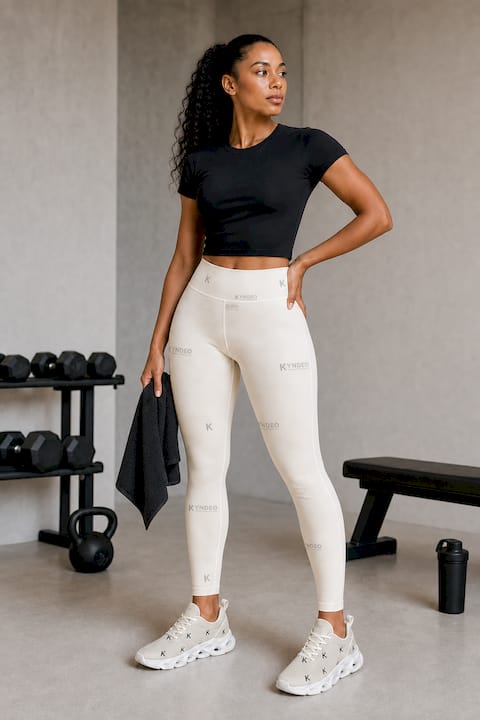
The fastest fix for post-gym hygiene is a clean spare set you actually want to wear out the door. That’s exactly what KYNDEO gym-to-street sets are built for: coordinated pieces that move from a workout to the street without looking like you just left a locker room.
A few ways to build this into your routine:
- Pack a spare KYNDEO matching set in your bag before you leave home. Change immediately after class.
- Swap your sports bra first. The KYNDEO padded sports bra is a must-wash item after every session, so having a second one ready is practical, not optional.
- Pair clean KYNDEO leggings with a fresh tank for a street-ready look that doesn’t require a full outfit change mindset.
- Men can grab a clean pair of KYNDEO joggers or men’s leggings for the same quick-swap result.
The quick-dry, stretch-fitted construction means these pieces feel clean and put-together even when you’re moving fast. Neutral colorways travel well from the gym to errands to a casual meet-up.
This guidance is general hygiene information, not medical treatment. Consult a dermatologist for persistent skin conditions.
The case for designing around the swap
There’s a gap in how most activewear brands think about post-workout hygiene. They design for performance during the session and stop there. The reality is that what you wear after the workout, and how quickly you get out of sweaty clothes, shapes your skin health and your day.
Kyndeoactivewear built its gym-to-street line with that gap in mind. The matching sets aren’t just a style choice. They’re a practical system: one set for the workout, one clean set for the street. The coordinated design means you’re not hunting for pieces that go together when you’re tired and pressed for time. You grab the set, change, and move.
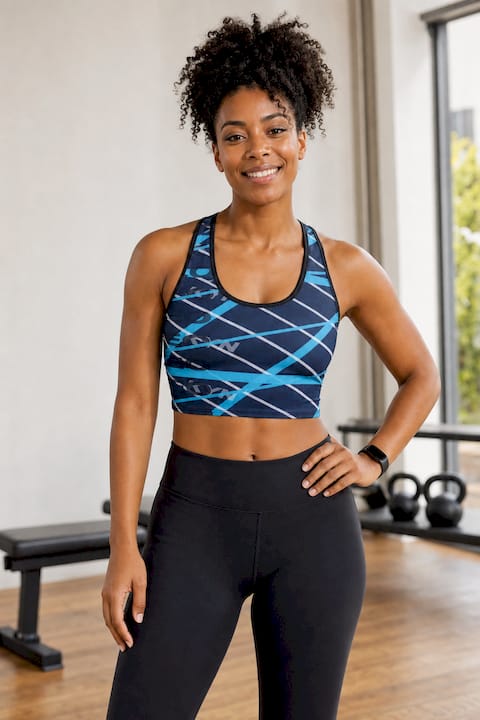
The dermatology evidence is clear. The odor science is clear. The friction point has always been convenience. A pre-coordinated spare set removes that friction entirely.
Clean clothes, clear skin, confident moves
Kyndeoactivewear’s gym-to-street collection is the practical answer to the post-workout swap problem. Pack a spare matching activewear set, a fresh padded sports bra, and a clean bottom, and you’ve covered the must-change items dermatologists flag every time.
Women can shop the full women’s activewear collection for coordinated sets built for quick changes. Men can find movement-ready pieces in the men’s activewear collection. Every set is designed to look intentional from the first wear, whether you’re heading to brunch or running errands after a class.
Shop your spare set today at Kyndeoactivewear and make the post-workout swap part of your routine.
Product use supports good hygiene habits and is not a substitute for medical care.
Sources
- How your workout can affect your skin
- How Gross Is It Really to Re-Wear Sweaty Workout Clothes? | SELF
- Antibacterial fabrics long-term wear trial (PMC)
- Bioactive textiles and skin-microbe interactions (Frontiers review)
FAQ
How soon after a workout should you change clothes?
After an intense session, changing immediately is better.
Which gym clothes must be washed after every use?
Sports bras, socks, and underwear must be washed after every session. Leggings and shorts should also be washed after any saturated or commando wear.
Does fabric type affect how bad sweaty clothes smell?
Yes. Polyester retains more odor than cotton in controlled testing, making it a worse choice for a post-workout spare set if you’re sensitive to smell.
Can I just let sweaty clothes air dry and rewear them?
Airing out reduces moisture but doesn’t remove bacteria or skin debris. Rewearing dry-feeling sweaty clothes still reapplies microbial buildup to your skin.
What’s the easiest way to make post-gym changes part of my routine?
Pack a clean spare KYNDEO matching set before you leave home. Having a coordinated, street-ready outfit ready removes the friction that makes most people skip the swap.