

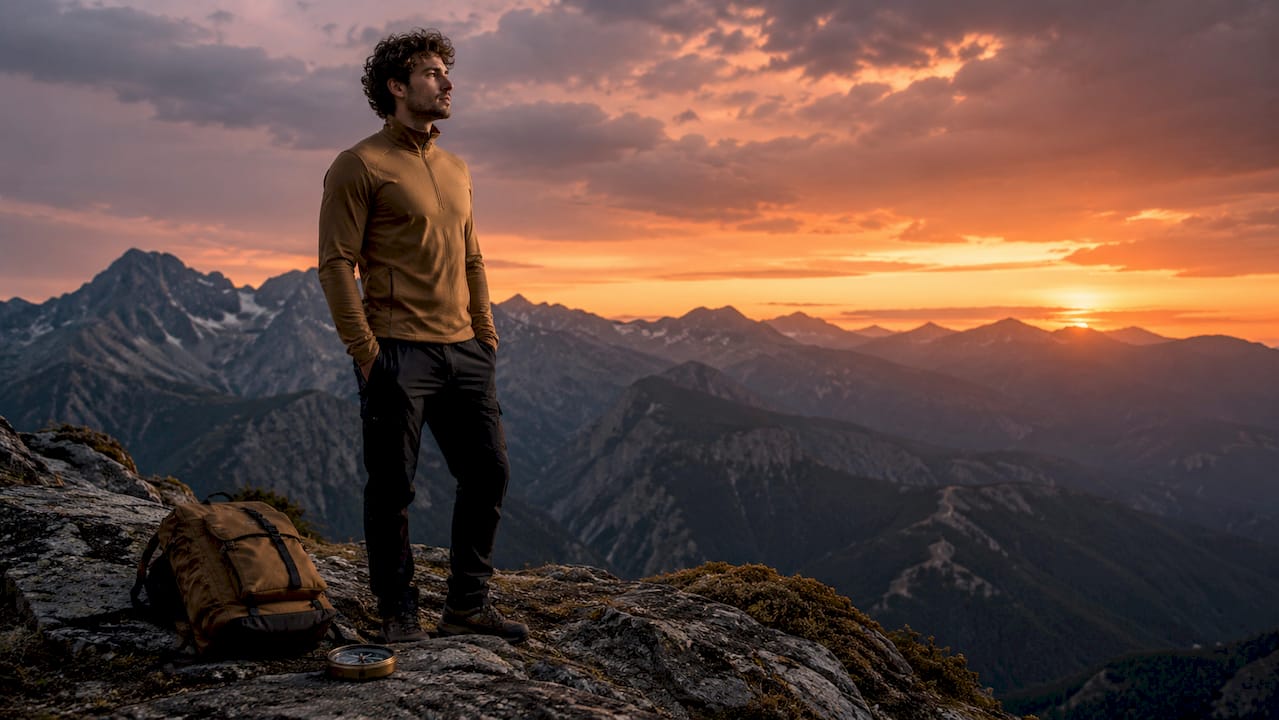
Activewear for outdoor adventures is defined as performance clothing engineered to handle sun exposure, variable temperatures, and physical stress that standard gym wear cannot manage. The right outdoor sports clothing combines UPF 30+ to 50+ protection, moisture-wicking fabrics, and abrasion-resistant construction to keep you moving comfortably across trails, summits, and open water. Brands like Outdoor Research, The North Face, and Aerie have built entire lines around these standards. Kyndeoactivewear approaches the same challenge from a studio-to-street angle, building pieces that move with you whether you’re on a trail or heading to brunch after.
What essential features make activewear right for outdoor adventures?
The most important feature in outdoor activewear is sun protection. UPF ratings are added through fabric knit density or chemical treatments, and they determine how much UV radiation reaches your skin. UPF 30+ blocks roughly 97% of UV rays. UPF 50+ blocks over 98%. For full-day hikes or water activities, that difference matters.
Beyond sun protection, four features separate quality outdoor gear from gym clothes:
- Moisture-wicking fabrics. Polyester blends and nylon pull sweat away from your skin and dry fast. Cotton holds moisture and stays wet, which causes chafing and temperature drops in cool conditions.
- Abrasion resistance. Trail brush, rocky scrambles, and pack straps wear through thin fabrics quickly. Abrasion-resistant construction lets you move through rough terrain without destroying your gear after one season.
- Flat-lock seams. Standard sewn seams create raised ridges that rub against skin during repetitive movement. Flat-lock seams lie flush against the body, eliminating friction points on long days out.
- Stretch and dynamic patterning. Four-way stretch fabrics and articulated cuts allow full range of motion without pulling or bunching. This matters most during climbing, scrambling, or any movement that requires arm lift.
Breathability is the feature most people underestimate. A fabric can wick moisture but still trap heat if it lacks airflow. ANETIK’s VINT technology addresses this directly. Snap closures and specialized knit fabrics allow real-time ventilation control, letting you regulate temperature without stopping to remove a layer. That kind of active airflow management goes well beyond what a standard gym top offers.
Pro Tip: Check the fabric weight listed in grams per square meter (GSM) before buying. Lighter fabrics (100–150 GSM) work best for high-output warm-weather activities. Heavier fabrics (180–250 GSM) hold up better in cooler conditions and rough terrain.
Odor control is the final feature worth prioritizing, especially for multi-day trips. Materials treated with silver ions or natural antimicrobials extend wearability well beyond what synthetic gym clothes allow. Merino wool is the gold standard here. It resists odor naturally without chemical treatments.
How do you layer activewear for cool weather outdoors?
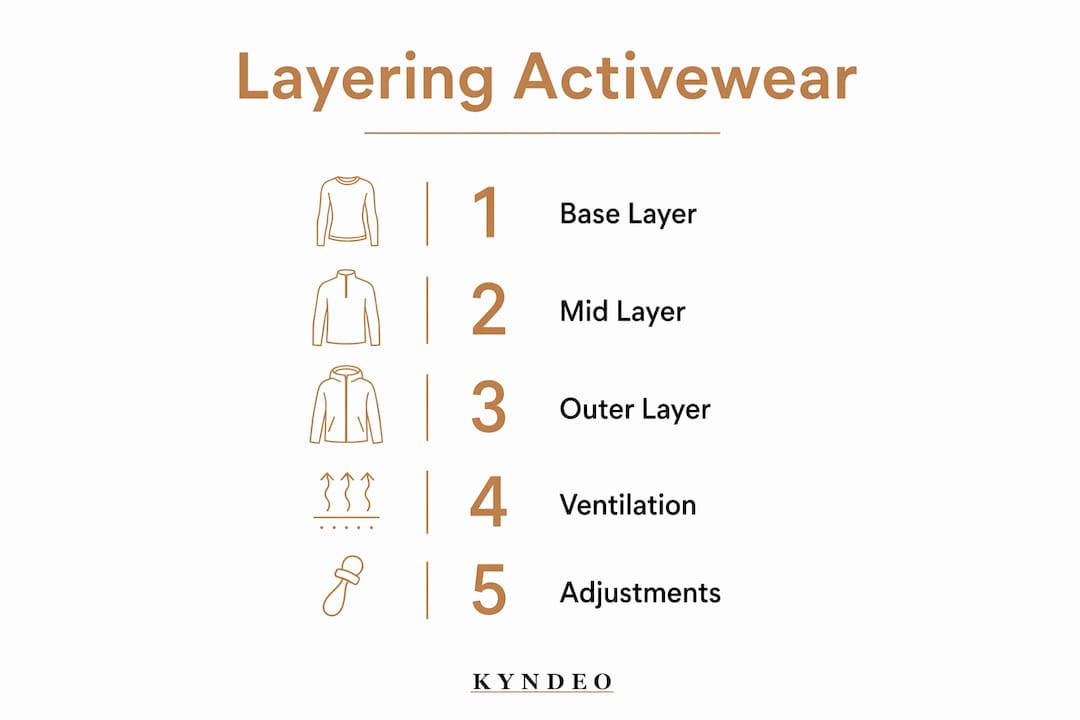
Layering for outdoor adventures follows a three-part system: base layer, mid-layer, and shell. Each layer has a specific job. Getting the system right means you stay comfortable across a wide range of temperatures without carrying excess weight.
The three-layer system works like this:
-
Base layer. This sits directly against your skin. Its job is moisture management. A moisture-wicking base layer pulls sweat away from your body and keeps you dry. Merino wool and synthetic blends both work well. Merino regulates temperature naturally and resists odor. Synthetics dry faster and cost less.
-
Mid-layer. This is your insulation. Mid-layer weights typically run from 80g to 240g of insulation fill. Lighter options (80g–120g) work for high-output activities like trail running or fast hiking where your body generates significant heat. Heavier options (180g–240g) are better for rest stops, cold belays, or low-output winter activities.
-
Shell layer. This is your weather protection. A packable zip-hoodie or windbreaker blocks wind and light rain without adding bulk. High-rise fits for bottoms stay secure during activity and prevent the waistband from dropping when you’re moving fast.
The biggest mistake people make with layering is choosing static insulation for active use. Technical insulations like Polartec Alpha Direct are engineered to breathe during movement, releasing excess heat before sweat saturates your base layer. Standard down or synthetic fill traps heat and moisture during high-output activity, leaving you soaked and cold when you stop.
| Layer | Primary Function | Best Materials |
|---|---|---|
| Base | Moisture management | Merino wool, polyester blends |
| Mid | Insulation | Polartec Alpha Direct, synthetic fill |
| Shell | Wind and rain protection | Nylon, stretch woven fabrics |
Pro Tip: Zip your mid-layer down before you start sweating, not after. Proactive ventilation keeps your base layer dry. Once your base layer is saturated, no amount of airflow will restore warmth efficiently.
Can you wear gym clothes for outdoor adventures?
Gym clothes work for short, low-impact outdoor activities. A 30-minute walk on a paved trail in mild weather? Your standard leggings and a moisture-wicking tee will hold up fine. The problems start when conditions get serious.
Gym clothes lack three features that outdoor activewear builds in by design: UPF protection, odor control, and durability for rough use. Here is where the gap shows up most clearly:
- UV exposure. Most gym fabrics offer little to no rated sun protection. A full day on an exposed ridge or open water without UPF-rated clothing increases your UV exposure significantly.
- Durability. Thin gym fabrics tear on brush, snag on rocks, and wear through at friction points. Outdoor activewear uses reinforced panels and tighter weaves in high-wear areas.
- Odor control. Synthetic gym fabrics trap odor-causing bacteria quickly. After one hard day, they become unwearable. Outdoor-specific fabrics use antimicrobial treatments or natural fibers to extend wearability.
- Temperature management. Gym clothes are designed for climate-controlled environments. They do not account for wind chill, sudden rain, or the temperature swings common on mountain trails.
The practical upgrade path is straightforward. Start with a merino wool or treated synthetic base layer instead of a standard cotton tee. Add a packable shell that fits in a pocket. Choose leggings with a high-rise waistband and four-way stretch. Those three changes cover most of the gap between gym wear and purpose-built outdoor clothing without requiring a full gear overhaul.
Which styles and fits work best for active outdoor movement?
The right fit prevents distractions. Rolling waistbands and chafing seams pull your attention away from the trail and toward your clothing. That is a problem you can solve before you leave the house.
For bottoms, high-rise fits are the standard recommendation for outdoor activity. They stay in place during scrambling, bending, and pack adjustment. They also provide light core coverage in wind. Leggings with side pockets add utility without adding bulk. A phone, a gel pack, or a small knife fits cleanly without bouncing.
For tops, dynamic reach patterning prevents sleeves from riding up when you lift your arms. This matters on technical terrain where arm movement is frequent. Thumbholes keep sleeves in place and add a layer of hand coverage in cool conditions without requiring gloves.
| Feature | Best For | What to Avoid |
|---|---|---|
| High-rise waistband | All-day hiking, scrambling | Low-rise fits that drop during movement |
| Four-way stretch | Climbing, trail running | Rigid woven fabrics with no give |
| Flat-lock seams | Long-distance activities | Raised seams at friction points |
| Side pockets | Day hikes, travel | No-pocket designs for active use |
| Thumbholes | Cool weather, wind | Loose cuffs that bunch under gloves |
Ventilation features like snap closures and vented back panels matter most in warm weather. ANETIK’s VINT system shows what purpose-built ventilation looks like at a technical level. For most adventurers, a zip-neck top or a hoodie with a full front zip gives enough airflow control without specialized hardware.
Style and function are not in conflict. Clean silhouettes, tonal colorways, and fitted cuts look sharp on the trail and hold up in town after. The activewear for life philosophy that Kyndeoactivewear is built around reflects exactly this: gear that performs outdoors and looks intentional everywhere else.
Key takeaways
Choosing the right outdoor activewear means prioritizing sun protection, layering strategy, and fit features that keep you focused on the activity, not your clothing.
| Point | Details |
|---|---|
| UPF protection is non-negotiable | Choose fabrics rated UPF 30+ or higher for any full-day outdoor activity. |
| Layer with purpose | Use a moisture-wicking base, breathable mid-layer, and packable shell for variable conditions. |
| Gym clothes have real limits | Standard gym wear lacks UV protection, odor control, and durability for serious outdoor use. |
| Fit prevents distraction | High-rise waistbands, flat-lock seams, and dynamic patterning keep clothing in place during movement. |
| Ventilation beats moisture-wicking alone | Active airflow control, not just wicking, keeps you comfortable across temperature swings. |
What i’ve learned after years of dressing for the outdoors
The conventional wisdom says buy the most technical gear you can afford. My experience says that is the wrong starting point.
Most people overthink fabric specs and underthink fit. I have worn expensive technical shells that bunched under a pack and budget merino base layers that outperformed them on every metric that mattered. The gear that works is the gear that disappears. You stop thinking about it after the first mile.
The layering principle took me longer to internalize than it should have. I used to add layers when I got cold instead of managing heat before I started sweating. Polartec Alpha Direct changed how I think about mid-layers entirely. It breathes during output and insulates during rest. That combination is what static fill cannot replicate.
The style-versus-function debate is mostly false. The best outdoor clothing looks clean and moves well. Kyndeoactivewear’s approach, building pieces that go from the gym to the street without looking like you just came off a trail, reflects what most active people actually need. Versatile pieces that perform in multiple contexts are worth more than single-use technical gear that lives in a gear closet.
My honest advice: start with a quality base layer and a high-rise bottom with real pockets. Build from there. You do not need to overhaul your entire wardrobe to dress well for the outdoors.
— Bryan
Gear up with Kyndeoactivewear for your next adventure
Kyndeoactivewear builds activewear that moves with the pace of real life, from the gym to the trail to the street. Every piece is designed with comfort, clean lines, and everyday performance in mind.
Whether you need women’s outdoor activewear built for movement or men’s performance gear that holds up on the trail and looks sharp off it, Kyndeoactivewear has you covered. Shop activewear leggings and joggers engineered for high-rise security and all-day comfort, or explore tees and hoodies built for layering in variable conditions. This is a Black-owned brand built for people who move with purpose. Find your fit and wear it everywhere.
FAQ
What fabrics work best for outdoor adventure activewear?
Merino wool and polyester blends are the top choices for outdoor activewear. Merino regulates temperature, resists odor naturally, and stays comfortable against skin during long days. Polyester blends dry faster and cost less.
How do you layer activewear for cool weather hiking?
Use a three-layer system: a moisture-wicking base layer, an insulating mid-layer rated between 80g and 240g, and a packable shell for wind and rain protection. Active thermal management with breathable insulation like Polartec Alpha Direct outperforms static fill during high-output activity.
Can gym leggings be used for hiking?
Gym leggings work for short, low-impact hikes in mild weather. For longer or more demanding trails, they fall short on UV protection, durability, and odor control. Upgrading to a high-rise legging with UPF-rated fabric and flat-lock seams covers most of the gap.
What UPF rating do i need for outdoor activewear?
UPF 30+ is the minimum for outdoor use. UPF 50+ is the better choice for full-day exposure on open terrain, water, or high-altitude environments where UV intensity increases. UPF protection is built into fabric through knit density or applied treatments.
What features prevent chafing during long outdoor activities?
Flat-lock seams, four-way stretch fabrics, and high-rise waistbands are the three most effective features for preventing chafing. Utility features like thumbholes and side pockets also reduce movement-related distractions on long days out.