

Strength training apparel is specialized activewear engineered to support resistance workouts by managing moisture, enabling full range of motion, and staying in place through every rep. The right gear does more than look good. It reduces micro-distractions, protects against chafing, and lets you focus entirely on form. Whether you are new to lifting or refining your setup, understanding what to wear for strength training makes a real difference in how you train and recover. This guide covers fabric science, fit principles, compression benefits, and practical outfit tips built for the gym and beyond.
What is strength training apparel explained by fabric and function?
The fabric in your lifting gear determines how you feel from warm-up to final set. Moisture-wicking synthetics like polyester and nylon use hydrophobic fibers to pull sweat to the garment surface, where it evaporates quickly. That keeps you dry and reduces the friction that leads to chafing during long sessions.
Cotton is the opposite. Cotton workout clothes absorb and hold moisture, making garments heavier and slower to dry. That retained moisture causes discomfort and chafing during high-intensity training. A cotton tee might feel soft off the rack, but it works against you once you start sweating.
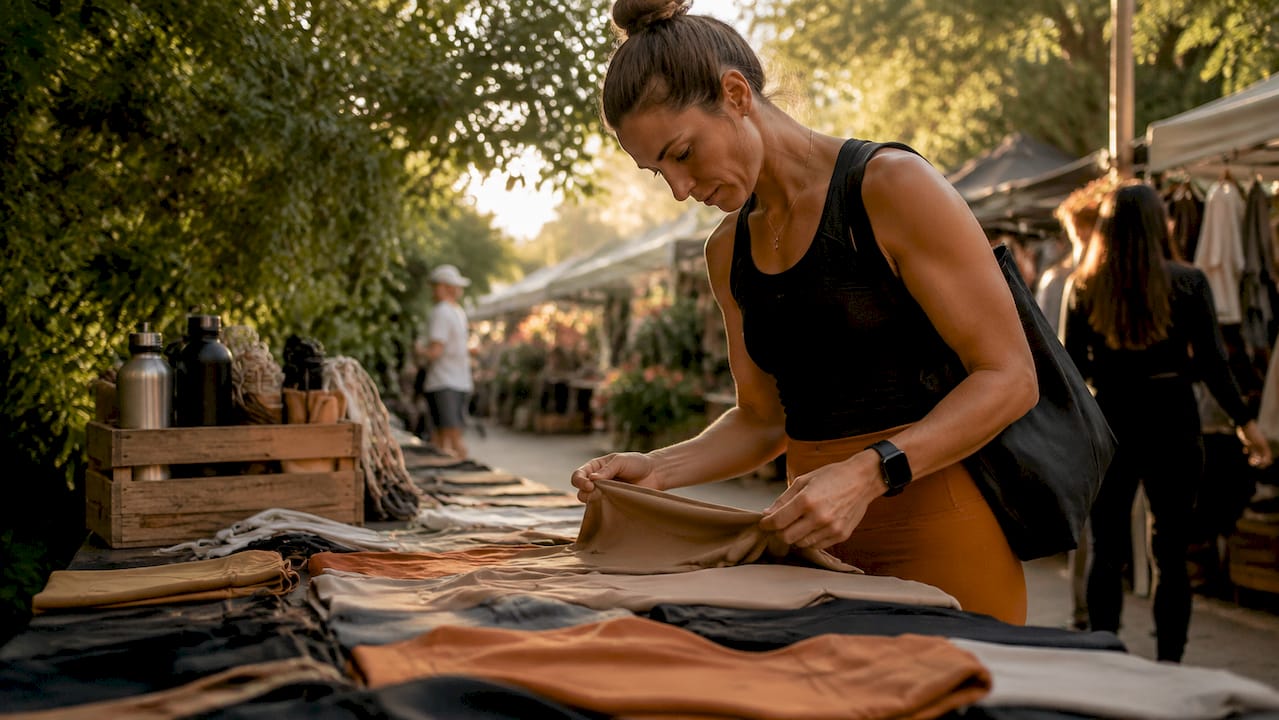
Here is how the most common performance fabrics compare:
| Fabric | Key Strength | Best Used For |
|---|---|---|
| Polyester | Moisture-wicking, durable, holds shape after washing | Base layers, tops, shorts |
| Nylon | Higher abrasion resistance, softer feel | Leggings, shorts with bench contact |
| Elastane/Spandex | Four-way stretch and shape recovery | Blended into all lifting garments |
| Cotton | Soft, breathable in low-intensity settings | Casual wear, not ideal for lifting |
Polyester is hydrophobic with strong tensile strength and resists dimension loss after washing. That durability matters when you train multiple days per week. Nylon offers higher abrasion resistance than polyester, which is why it shows up in leggings and shorts that contact benches and bars repeatedly.
Four-way stretch is the feature that lets you squat deep, press overhead, and hinge without restriction. Achieving it requires 8–15% spandex content combined with the right knit construction. That spandex percentage is the difference between a garment that moves with you and one that pulls against you mid-lift.
Pro Tip: Check the fabric label before buying. Look for at least 80% polyester or nylon with 8–15% spandex for the best combination of moisture management and stretch recovery.
How should strength training apparel fit for optimal performance?
Fit is the single most overlooked factor in lifting gear. Apparel that moves with you instead of restricting motion is key to effective strength sessions and injury prevention. A shirt that rides up during an overhead press or shorts that pinch during a squat pull your attention away from form at exactly the wrong moment.
For tops, snug or semi-fitted is the target. Loose shirts bunch under a barbell and shift during pressing movements. A fitted top stays put whether you are bracing for a deadlift or reaching overhead for a pull-up. Coverage matters too. The shirt should stay tucked when you brace your core or extend your arms fully.
Bottoms require more technical thinking:
- Leggings: Look for squat-proof fabric, a stable waistband that does not roll, and enough compression to support without restricting deep flexion.
- Shorts: Choose a length that allows full hip movement without riding up. An inner liner adds coverage and reduces friction.
- Joggers: Tapered cuts work well for warm-ups and accessory work. Avoid wide-leg styles near barbells or cable machines.
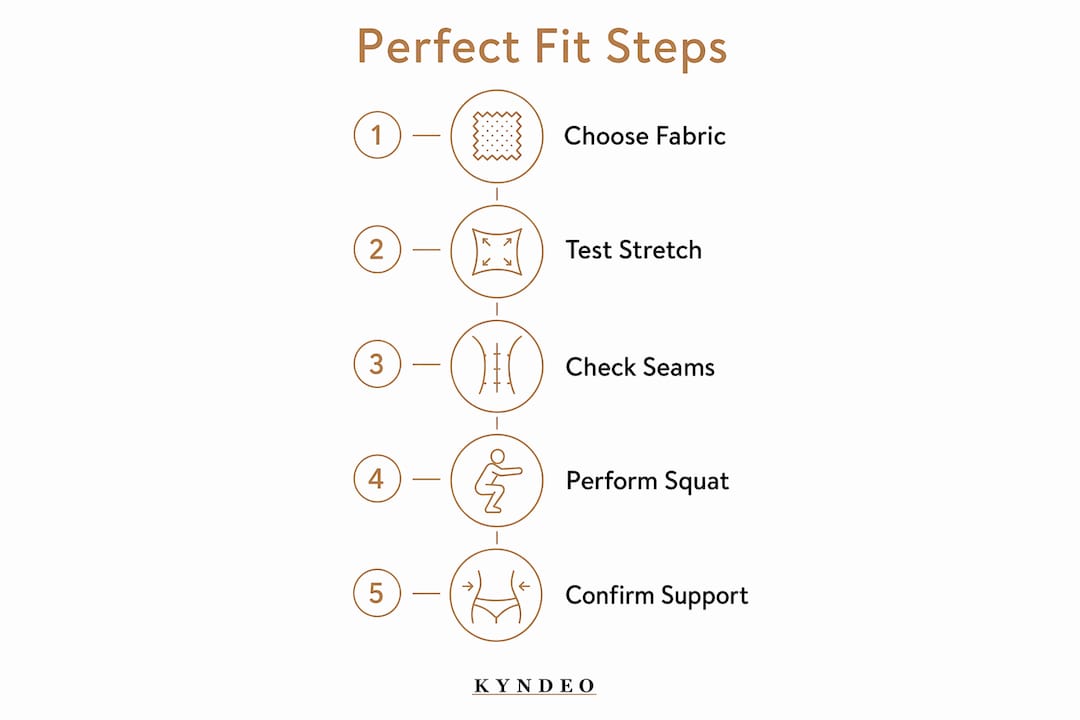
Seam placement and waistband construction are critical details that most shoppers skip. A technically advanced fabric still fails if the seams run across pressure points or the waistband folds during squats. Kyndeoactivewear’s high-rise leggings address both with a wide, flat waistband and flatlock seams that sit away from friction zones.
For sports bras, the goal during lifting is support without restriction. A medium-support style works for most strength training. High-impact bras can compress the ribcage and limit breathing during heavy compound lifts, so fit testing under load matters.
Pro Tip: Do a squat test in the fitting room or at home before committing to leggings. Squat deep and check for transparency, waistband roll, and fabric bunching at the knees. Those three issues will not improve with wear.
What role do compression garments play in strength training?
Compression gear sits in a category of its own within the best strength training clothes conversation. A 12-study meta-analysis published in the British Journal of Sports Medicine found moderate but statistically significant improvements in soreness, strength recovery, power output, and muscle damage markers when athletes wore compression apparel. Moderate means real but not dramatic. Think of it as a consistent edge rather than a transformation.
The mechanism behind those results is straightforward. Compression garments apply external pressure that reduces swelling and inflammation while improving blood flow. Better circulation helps clear metabolic waste from muscles faster after hard sets. That is why compression tights and sleeves show up in recovery protocols across strength sports.
“Compression apparel provides moderate recovery benefits across soreness, power, and muscle damage markers. The effect is consistent enough to be worth using, but not strong enough to replace sleep, nutrition, or progressive programming.”
Compression is not mandatory for everyone. Lifters who train at moderate intensity or who prioritize comfort over recovery speed may find standard fitted gear performs just as well. The practical approach is to use compression tights or shorts on heavy training days and during the hours after a session, then switch to standard fitted wear for lighter days.
One caution: excessive compression causes discomfort during deep flexion movements like squats and Romanian deadlifts. If a compression garment limits your range of motion, it is working against you. Balanced compression, enough to support without restricting, is the target.
How to build a complete strength training outfit for any scenario
A complete strength training outfit is not one item. It is a system of pieces that work together across warm-up, working sets, and cooldown. The right combination depends on training intensity, environment, and movement type.
Layering for temperature management
Start warm-ups in a hoodie or zip-up layer over a fitted base top. Body temperature rises fast once you hit working sets, so a layer you can remove quickly matters. Kyndeoactivewear’s tees and hoodies use breathable fabrics that vent heat without adding bulk.
Outfit combinations by training context
- Heavy compound day (squats, deadlifts, bench press): High-rise leggings or fitted shorts, a snug moisture-wicking tee, and a flat-soled training shoe. Avoid loose shorts near the bar path.
- Accessory and isolation day: Fitted joggers or shorts, a relaxed but not oversized tee, and a light layer for rest periods.
- Home gym session: Compression shorts or leggings, a fitted tank, and a hoodie for warm-up. Climate control varies at home, so layering matters more.
- Outdoor training or functional fitness: Moisture-wicking shorts, a fitted tee, and a lightweight jacket. Wind and sun exposure change the fabric priority toward UV-resistant blends.
Footwear basics
Footwear is part of the proper attire for lifting conversation. Flat-soled shoes like training shoes or cross-trainers provide a stable base for squats and deadlifts. Running shoes with thick cushioning compress under load and reduce force transfer. Kyndeoactivewear’s athletic sneakers are built for the gym-to-street pace of real life, with a profile that supports both lifting and movement.
Gender-specific and unisex options
Women’s lifting gear prioritizes high-rise waistbands, squat-proof coverage, and sports bra integration. Men’s gear focuses on mobility in the hips and shoulders, with inseam length and waistband width as key variables. Unisex cuts work for casual training but often miss the technical fit details that matter during heavy lifts. Kyndeoactivewear offers both women’s activewear and men’s activewear built with those distinctions in mind.
Pro Tip: Build your lifting wardrobe around two or three complete sets rather than mixing random pieces. Matching sets are cut to work together, so the waistband, inseam, and coverage all align across top and bottom.
Key takeaways
The most effective strength training apparel combines moisture-wicking synthetic fabrics, a snug and stable fit, and construction details like flat seams and secure waistbands that stay out of the way during every lift.
| Point | Details |
|---|---|
| Fabric choice matters most | Polyester and nylon outperform cotton by moving sweat away and resisting wear over time. |
| Fit prevents distraction | Snug, semi-fitted tops and squat-proof leggings keep you focused on form, not your clothes. |
| Compression adds a recovery edge | Research shows moderate improvements in soreness and power recovery with consistent compression use. |
| Seams and waistbands are technical details | Flat seams and stable waistbands prevent chafing and rolling during deep movements. |
| Layering builds a complete system | A base layer plus a removable hoodie covers warm-up through working sets in any environment. |
What I have learned after years of watching people train in the wrong gear
Most people buy workout clothes based on color and price. That is not a criticism. It is just what happens when the marketing around activewear focuses on aesthetics over function. After watching hundreds of lifters train, the pattern is clear: the ones who struggle with form distractions are almost always fighting their clothes at the same time.
The insight that changed how I think about this: weightlifting clothing should stay out of the way by minimizing micro-distractions like riding up, pinching, or transparency. That sounds obvious until you watch someone break their brace mid-deadlift to pull down a shirt. The lift is gone. The focus is gone. The risk goes up.
Fabric durability is the other thing most guides skip. A legging that performs well in week one but loses its waistband tension by week six is not a good investment. Polyester’s resistance to dimension loss after repeated washing is a real functional advantage, not a marketing claim.
My practical advice: spend more time in the fitting room or doing a home squat test than reading spec sheets. The best strength training gear is the gear you forget you are wearing. When your clothes stop being a variable, your training gets cleaner.
— Bryan
Kyndeoactivewear is built for the way you actually train
Kyndeoactivewear designs activewear for the full pace of real life, from heavy compound days to the commute home. Every piece is built for motion, with moisture-wicking fabrics, secure waistbands, and fits that hold up through every set.
The women’s activewear collection covers high-rise leggings, matching sets, and breathable tees built for lifting performance. The men’s activewear collection delivers fitted tees, joggers, and shorts cut for mobility and durability. Both lines carry the Black-owned brand pride and community-first ethos that Kyndeoactivewear was built on. Shop the full collection and find gear that feels intentional from the first wear.
FAQ
What fabrics are best for strength training clothes?
Polyester and nylon are the top choices for strength training. Both are moisture-wicking, durable, and maintain their shape after repeated washing, making them far more practical than cotton for lifting sessions.
How tight should strength training apparel fit?
Snug or semi-fitted is the target for tops and bottoms. Clothing should move with your body without shifting, riding up, or restricting range of motion during compound lifts like squats and deadlifts.
Do compression garments actually help with lifting?
A 12-study meta-analysis found moderate but statistically significant improvements in soreness, strength recovery, and power output with compression apparel. The benefits are real but work best as a supplement to solid recovery habits.
What should I wear for a heavy squat or deadlift day?
High-rise leggings or fitted shorts, a snug moisture-wicking tee, and flat-soled training shoes are the standard setup. Avoid loose shorts near the bar path and thick-cushioned running shoes that reduce force transfer.
Why does waistband construction matter in lifting leggings?
Waistband rolling and seam chafing are common causes of distraction during lifting sets, even in technically advanced fabrics. A wide, flat waistband that stays in place through deep flexion keeps your focus on the lift, not your gear.